
SaaS Marketing Automation: 7 Proven Steps to Win Leads
SaaS marketing automation helps a small team reach many buyers without sending every message by hand. It sends the right email, task, or alert at the right time. As a result, leads get faster replies and sales teams get better handoffs.
This guide gives you seven clear steps. Each step comes with plain advice, fresh 2026 data, and links to deeper lessons from our team. Whether you run a seed stage startup or a growing platform, you can start this week.
We wrote it for founders, marketing leads, and content managers in the United States and beyond. Besides that, we kept the language simple, so your whole team can follow along.
Table of Contents
ToggleWhat Is SaaS Marketing Automation and Why Does It Matter?
SaaS marketing automation is the use of software to run repeat marketing tasks. These tasks include email series, lead scoring, trial onboarding, and campaign reports. However, it also covers how data moves between your website, your CRM, and your ad accounts.
A software buyer rarely decides in one visit. One user may read a guide, start a trial, and return weeks later. Consequently, one sale can involve dozens of small touches across several months.
Automation keeps those touches on time. Otherwise, good leads go cold while your team sits in meetings. It also removes the manual work that slows small teams.
Automation does not replace strategy. It repeats whatever plan you give it, good or bad. For that reason, read our pillar post on the SaaS SEO and digital marketing strategy before you buy any tool.
How SaaS Marketing Automation Differs From Basic Email Marketing
Basic email tools send one message to a whole list. Automation reacts to what each person does. For example, a user who visits your pricing page twice gets a different message from a user who never returns.
This difference matters for SaaS. Buyers move between your site, your product, and their inbox. Therefore, a tool that tracks all three gives you a clearer picture.
Basic email still has a place. A monthly newsletter works well for news and guides. However, it cannot guide a trial user through onboarding. Use both, and let each do the job it does best.
SaaS Marketing Automation Statistics for 2026, With U.S. Signals
Numbers help you decide where to spend. Still, treat every statistic as a direction, not a promise. Research firms define the market in different ways, so totals vary. Here are the figures we found for this guide.
- Fortune Business Insights projects growth from $7.23 billion in 2025 to $16.81 billion by 2032, as summarized by Shno. That equals 12.8% growth each year.
- Market size estimates differ because research firms count the category in different ways, according to a 2026 roundup from SEOprofy.
- North America held 38% of the market in 2024, per Market Research Future figures in the same roundup.
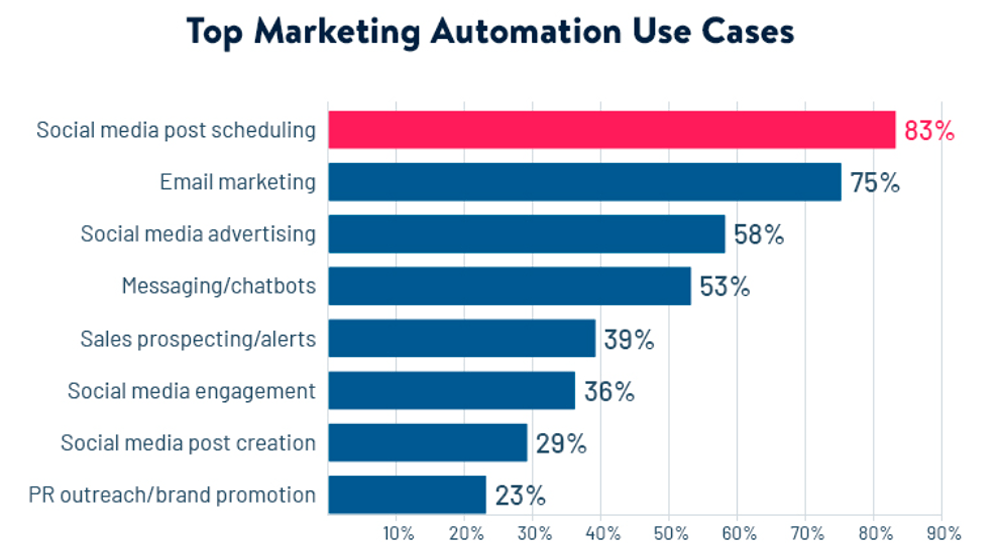
- Gartner data shows 81% of marketing teams use automation tools in some capacity, as reported by Review42.
- That roundup also reports that 65% of B2B marketers have no formal lead nurturing process.
- B2B SaaS has the top adoption rate at 89%, ahead of ecommerce at 84%, per Emailmonday figures listed by Searchlab.
- Of B2B marketers, 98% call automation critical, and users report a 10% pipeline lift, per the Shno summary.
- Also, 85% of B2B marketers feel they do not use automation to its full capacity, as cited by Thunderbit.
What does this mean for you? Adoption is high, yet many teams use only a small part of their tools. Therefore, the gap between owning a tool and using it well is your opportunity.
The North America figure is a regional signal and not a U.S. only number. Because these figures come from roundups, check the original reports before you quote them in a client deck.
How EEAT Strengthens SaaS Marketing Automation
Google asks quality raters to look for experience, expertise, authoritativeness, and trust. The company explains the idea in its guidance on helpful, people first content. Software buyers act the same way. They judge your emails and pages by who wrote them.
Show Real Experience in SaaS Marketing Automation
Use real product screens in your onboarding emails. Share honest numbers, even when results look modest. Name the person who ran the test. Honest detail beats polished claims every time.
Prove Expertise in SaaS Marketing Automation With Named Senders
Send emails from a real person, not a faceless address. Add a short bio, a photo, and a reply link. In addition, show the team behind your advice. For more on this, read our post on turning SaaS industry expertise into trust.
Build Trust With Clear Consent
Trust grows when your messages respect the reader. Therefore, add a clear unsubscribe link, state how often you will write, and keep your privacy page easy to find. Follow the rules for your audience, such as the CAN SPAM Act in the United States and GDPR in Europe.
Step 1: Set Goals Before You Pick SaaS Marketing Software
Tools come second. Goals come first. First, ask what you want more of, such as trial signups, demo requests, or paid upgrades. Then pick the tasks that move those numbers.
Next, set three simple targets. One target covers traffic, one covers trial or demo requests, and one covers revenue. As a result, every workflow has a clear job.
Also write down who owns each task. Small teams can share work between a founder, a writer, and a freelancer. Larger teams need a clear brief process. Finally, agree on a reporting rhythm, such as a monthly review. Set a budget too, so costs stay clear as your list grows.
Step 2: Clean Your Data for SaaS Marketing Automation
Automation runs on data. Bad data creates bad emails. So, clean your contact list before you build anything.
Remove duplicates, fix missing fields, and tag each contact by source. Then group contacts by stage, such as new visitor, trial user, or paying customer. Our post on the SaaS content marketing funnel strategy shows how to map each stage.
Next, link your tools. Your website forms, CRM, email system, and ad accounts should share data. Otherwise, the same lead gets three different messages in one day.

Step 3: Choose a SaaS Marketing Platform That Fits Your Team
Many marketing SaaS tools look alike on the surface. Therefore, judge each one against your own needs. Start with the basics your team will use every week.
Check these points before you pay:
- Does it connect to your CRM without custom code?
- Can it handle email, forms, and lead scoring in one place?
- Is pricing clear as your contact list grows?
- Can a small team learn it in a few days?
- Does it give reports your sales team can read?
A free trial helps. Build two simple workflows during the trial and see how long each one takes. Moreover, ask support one real question and watch how fast they reply.
Check how each vendor stores data. Ask where servers sit, how backups work, and who can see your contact list. A cheap tool is no bargain if it puts customer data at risk.
Compare at least three options. Do not pick a tool only because a competitor uses it. Their goals, budget, and team size may differ from yours.
Step 4: Build Core Workflows for SaaS Marketing Automation
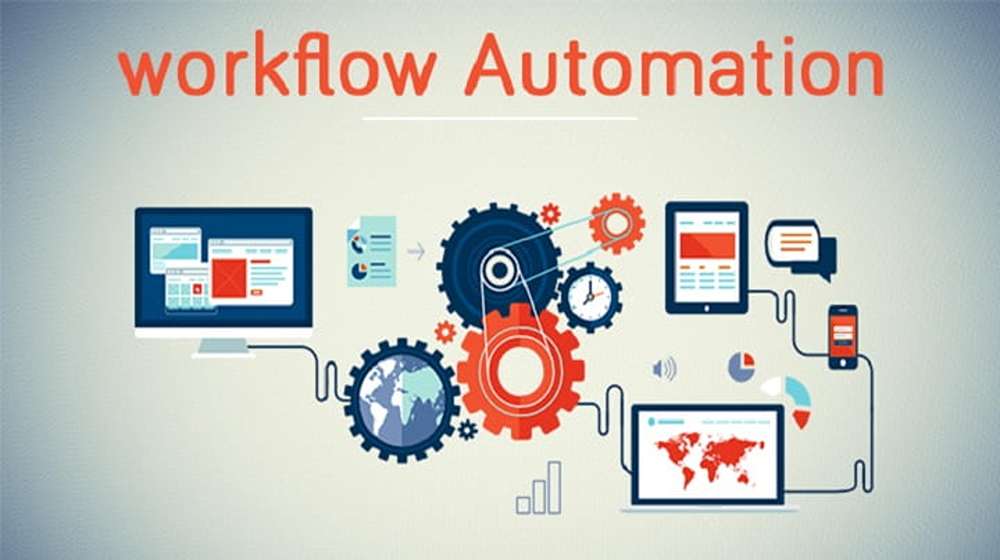
Start small. Three workflows cover most needs. Build them one at a time, and test each before you move on.
Welcome and Onboarding Emails
New signups need quick help. Send a welcome message within minutes. Then send two or three short tips that lead the user to their first win.
Keep each email to one idea and one button. For example, one email can show how to connect a data source. Because trial users decide fast, this first week matters most.
Lead Nurture and Scoring
Not every lead is ready to buy. Nurture emails keep your brand in view until they are. Send useful guides, short case notes, and clear next steps.
Lead scoring adds points for actions such as pricing page visits or demo requests. When a score passes a set level, the system alerts sales. In short, scoring tells your team who to call first.
Remember the 65% figure from earlier. Many B2B teams lack a formal nurturing process. A simple three email series already puts you ahead of them.
Win Back and Churn Alerts
Customers who go quiet often leave soon after. Set an alert when a user stops logging in. Then send a helpful check in message from a real person.
Add a short win back series for past trial users. Share what is new, and offer help instead of a hard sell. Also tag people who reply, so sales can follow up.
Step 5: Plan SaaS Campaign Management in One Calendar
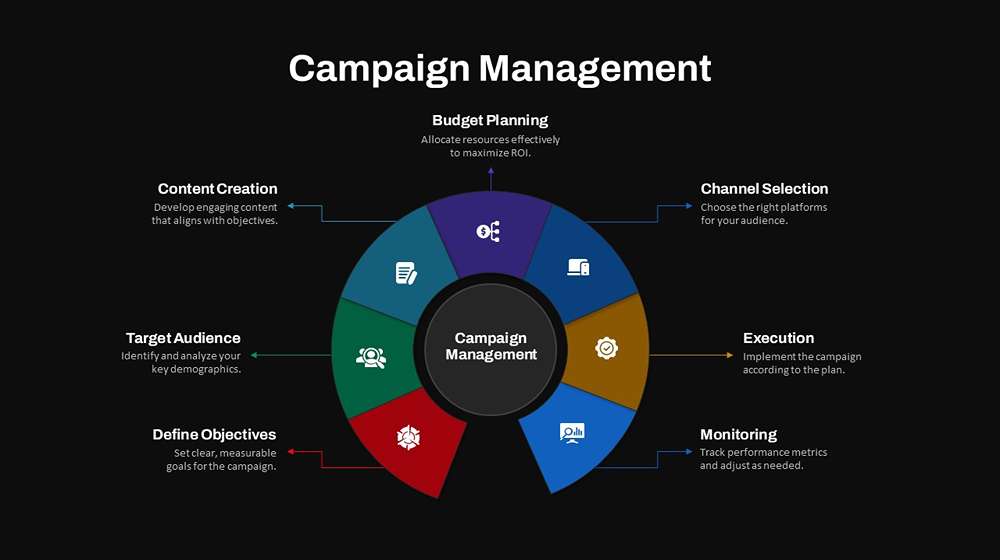
Campaigns fail when teams work in separate corners. One shared calendar solves that. List every email, ad, post, and webinar with a date and an owner.
Good SaaS campaign management has a clear goal for each campaign. It also has one main message and one call to action. Then it has a plan to check results after two weeks.
Search works well with other channels. For example, inbound marketing for SaaS turns readers into leads through useful offers. Meanwhile, a smart digital advertising strategy for SaaS can test messages before you invest in new pages.
Tag every link with a campaign name. Otherwise, your reports cannot show which message worked. This small habit saves hours later.
Step 6: Feed SaaS Marketing Automation With SEO and Content
Automation needs a steady stream of new leads. Search is one of the best sources. Visitors who find your guides arrive with a clear question and real interest.
Start with keyword research. Pick phrases that match what your buyers ask. Our walkthrough on keyword research for SaaS content covers each step.
Next, fix technical problems that hide good pages. Our guide on technical SEO for SaaS in the USA lists the checks. Then see how the role of SEO in SaaS content strategy fits your wider plan.
Links help your pages rank. Read our list of the best 10 link building tactics for SaaS businesses for practical ideas.
Finally, give each guide a next step. A guide can offer a checklist in return for an email address. That email then starts a nurture series.
Step 7: Measure SaaS Marketing Automation Results That Matter
Opens and clicks are easy to count. Revenue matters more. Therefore, track the numbers that link to sales.
Track Core SaaS Marketing Automation Metrics
- Trial signups from each channel
- Demo requests from nurture emails
- Marketing qualified leads and sales qualified leads
- Pipeline value and closed revenue from automated flows
- Unsubscribe and spam complaint rates
Set a baseline before you automate. Note your current trial rate and demo rate. Then compare after 60 days. Without a baseline, you cannot prove that the tool helped.
Fix the Funnel Leaks
Look for the stage where most people drop off. Often the cause is a weak message, not a weak tool. So, sit with your sales team and agree on what a good lead looks like.
Review and Adjust
Review results each month. Update emails that perform poorly. Also retire workflows that no longer fit your offer. In many cases, a small edit lifts results faster than a new campaign.
Quick Wins You Can Ship This Week
Not every gain needs a big project. Some small changes pay off within days. Pick two or three from the list below.
- Add a welcome email if you do not have one.
- Rewrite the subject line of your best nurture email.
- Add a clear unsubscribe link to every message.
- Tag every campaign link with a campaign name.
- Set one alert for trial users who go quiet.
Small wins also build team confidence. As a result, bigger projects feel easier to start.
Common SaaS Marketing Automation Mistakes to Avoid
Most teams repeat the same errors. Fortunately, you can dodge them with a little care.
- Buying a tool before setting goals.
- Sending the same message to every contact.
- Building ten workflows before testing one.
- Skipping data cleanup.
- Ignoring unsubscribe and spam complaint rates.
Several of these errors appear in our post on content marketing mistakes for SaaS startups. Read it before you plan your next quarter.
Content also needs readers. Our guide on content distribution strategies for early stage SaaS gives a simple weekly routine for sharing each new post.
A 90 Day Starter Plan for SaaS Startups
SaaS startups work best with a tight focus. You have limited time and money. So, pick one customer group and one core problem.
Days 1 to 30: Lay the Base
Set your goals and clean your contact list. Then choose a platform and connect it to your CRM. Also build the welcome series.
Days 31 to 60: Build the Core
Launch one nurture series and one lead scoring rule. Add a calendar for campaigns. Furthermore, tag every campaign link.
Days 61 to 90: Measure and Improve
Review your numbers with the sales team. Next, add the win back series. Finally, plan the next quarter based on what worked.
Many SaaS marketing automation tips sound complex. In practice, steady weekly work beats a big burst once a year.
Should You Build It In House or Hire Help?
Both paths can work. Your choice depends on budget, speed, and skill. A small team with a good writer can handle the basics. However, a team without technical skill may stall on integrations and reports.
Consider a hybrid model. Keep strategy and product knowledge in house. Then hire experts for setup, audits, and reporting. In this way, you protect your voice while you gain speed.
If you want expert help, our SaaS digital marketing services in the USA cover planning, content, and reporting. Ask any partner for clear goals and clear reports, whichever route you choose.
Key Takeaways From This SaaS Marketing Automation Guide
SaaS marketing automation rewards clear goals, clean data, and steady testing. Here is what to remember from this guide.
- Adoption is high, yet many teams use only part of their tools.
- Goals and data come before software.
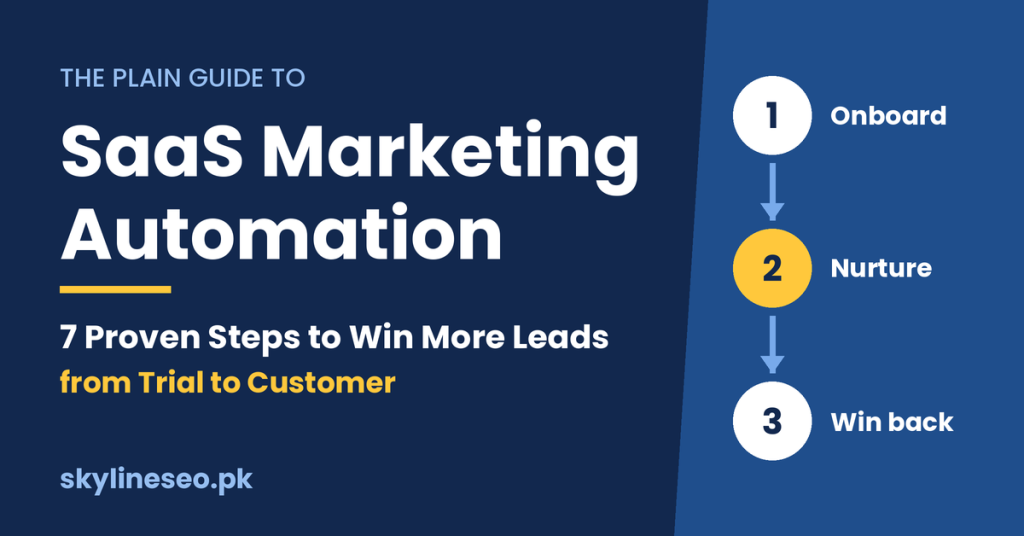
- Three workflows cover most needs: onboarding, nurture, and win back.
- One shared calendar keeps campaigns on track.
- SEO and content feed your automation with new leads.
- Measure revenue, not only opens and clicks.
Ready to turn these steps into a working plan? Visit Skyline SEO and book a free review of your marketing setup. Our team will audit your funnel, show you the gaps, and map your first 90 days. You can also browse more lessons on the Skyline SEO blog.
Frequently Asked Questions About SaaS Marketing Automation
What is SaaS marketing automation?
SaaS marketing automation is the use of software to run repeat marketing tasks for a software company. It covers email series, lead scoring, onboarding, and reports. The goal is more trials, demos, and revenue.
How do I choose a SaaS marketing platform?
Start with your goals and your CRM. Then check that the platform handles email, forms, and scoring in one place. Test two simple workflows during a free trial before you pay.
How long does SaaS marketing automation take to work?
Most teams see early results from onboarding emails within weeks. Strong results from nurture and scoring often take a few months. However, the timeline depends on data quality and traffic.
How much does it cost?
Costs vary by contact volume, features, and team size. Many tools price by the number of contacts. Compare at least three options, and check how pricing changes as your list grows.
Does SaaS marketing automation replace my team?
No. Automation repeats tasks, but people set the strategy and write the messages. Therefore, a small team with good automation can reach far more buyers.
Is SaaS marketing automation safe for customer data?
It can be, if you choose with care. Ask each vendor where data sits, how backups work, and who has access. Also follow the privacy rules that apply to your audience.
Which SaaS marketing automation workflows come first?
Start with a welcome and onboarding series. Then add a lead nurture series with scoring. Finally, add win back and churn alerts for quiet users.