
Content Distribution Strategies for Early Stage SaaS That Actually Drive Growth
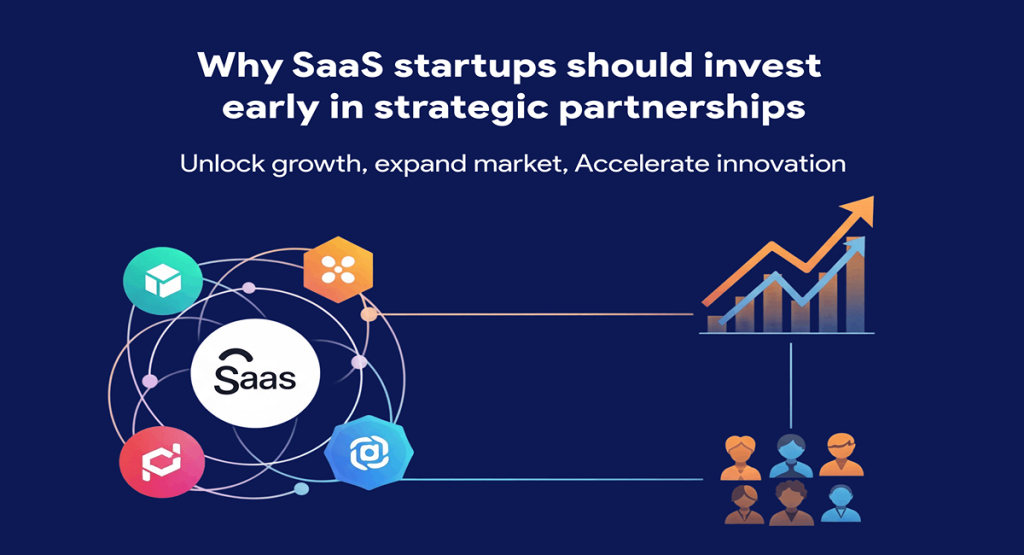
Content distribution strategies for early stage SaaS separate a blog nobody reads from a pipeline full of real leads. A large share of early stage teams give up after publishing only a handful of posts. Distribution never gets a real chance to work.
However, writing something valuable is only step one. Getting that piece in front of the right reader at the right moment is the actual growth challenge. Smart content distribution closes that gap.
This guide covers the full picture. It names an ideal customer profile before a single customer exists, picks the right channels, and tracks metrics that genuinely matter. A solo founder or a lean two person marketing team can apply every strategy here directly.
Teams that write down a real distribution plan tend to generate far more leads than teams that skip that step entirely. See the wider approach on the Skyline SEO homepage, or browse more guides on the Skyline SEO blog
Table of Contents
- What Content Distribution Really Means
- Why Content Matters More at the Early Stage
- Building an ICP Before You Have Customers
- Content as Live Market Research
- Mapping Content to the Buyer Journey
- A 90 Day Content Distribution Roadmap
- Seven Distribution Strategies Worth Using
- Content Topics That Convert Early
- The Tool Stack You Actually Need
- Using AI Without Losing a Real Voice
- Metrics That Actually Matter
- Common Mistakes to Avoid
- How Skyline SEO Builds Content Engines for Early Stage SaaS
- Frequently Asked Questions
- Final Thoughts
1. What Content Distribution Really Means
Content distribution means sharing, promoting, and amplifying a piece of content across owned, earned, and paid channels. In fact, hitting publish on a blog post covers only a small piece of the real work.
Content distribution includes far more than a single share button. It covers every channel a reader might use to actually find a piece of content in the first place.
Think of it like baking a cake. Writing the content bakes the cake. Getting it in front of real readers serves the slices. Skip the second half, and the cake goes uneaten while the guests stay hungry.
- Owned channels: a blog, an email list, social profiles, a podcast, or a video channel. Full control over both audience and message.
- Earned channels: press mentions, guest posts, organic shares, backlinks, and word of mouth. Real trust, but only once credibility exists.
- Paid channels: LinkedIn ads, Google ads, sponsored newsletters, and syndication networks. Fast results, at a cost that grows with ambition.
Early stage SaaS teams tend to win by combining all three. Lean hard on owned channels first, invest steadily in earned media, then use paid spend to amplify whatever content already proves itself.
Catching common pitfalls early matters just as much as picking channels. The guide on content marketing mistakes for SaaS startups in the USA covers how these errors quietly drain growth before real momentum builds.
2. Why Content Matters More at the Early Stage
Content at the early stage may be the single highest leverage move available to a bootstrapped team. For instance, paid advertising burns cash fast. Sales calls refuse to scale on their own.
Companies that invest in content from the seed or early funding stage tend to see organic traffic compound far faster by year three. Teams that wait see far less of that effect. Waiting to start loses ground that becomes hard to win back later.
A well built blog post published today can keep generating qualified leads for years. Indeed, HubSpot’s own research on nearly 20,000 posts found that compounding posts, roughly one in ten of the total, go on to generate almost 40 percent of all blog traffic. In contrast, a single social post fades within a couple of days. That gap alone justifies a content first mindset from day one.
Most B2B SaaS buyers complete more than half of their research before they ever speak with a sales rep. A 2026 Gartner survey found that 67 percent of B2B buyers now say they would prefer a fully rep-free buying experience, up from 61 percent just months earlier. Content needs to show up clearly during that early research window, not after it closes.
Understanding the SEO role in content strategy for SaaS companies is not optional once organic discovery drives most of the qualified pipeline.
3. Building an ICP Before You Have Customers
An ideal customer profile holds every content decision together. Writing for no one in particular tends to distribute to no one in particular too.
Waiting for a hundred paying customers before defining this profile is a common, costly delay. Instead, a working hypothesis built on day one works far better.
- Competitor research: study who competitors already target through case studies, testimonials, and follower profiles. Their audience reveals a lot about the addressable market.
- Community research: find where the real problem gets discussed, on Reddit threads, Slack groups, or LinkedIn communities. Note who voices the loudest frustration.
- Direct interviews: talk with fifteen to twenty people in the target segment about daily workflow and friction. Listen far more than pitch.
- Founder expertise: identify where the founding team holds its deepest knowledge. Real expertise doubles as a distribution asset on its own.
Once this hypothesis exists, every later decision gets easier. Topics, channels, tone, and calls to action all follow naturally from a clear picture of the reader.
4. Content as Live Market Research
Content as market research works especially well before a product fully exists. Besides, no legacy brand guidelines or long approval chains slow anything down at this stage.
Publishing before a product reaches completion forces real clarity around the value proposition. Comments, shares, and direct messages that follow become honest signals about what resonates and what falls flat.
For instance, a post that pulls in two hundred comments is worth far more than a nice vanity win. Treat it as a validated content brief, a lead source, and a live messaging test, all at once, for free.
Define a real success signal, engagement, clicks, or replies, before a piece goes out. Let the data that follows guide the next topic choice.
5. Mapping Content to the Buyer Journey
The buyer journey stages still decide what content works where. Consequently, placing the wrong piece at the wrong funnel stage is a reliable way to lose a reader.
Awareness stage content includes educational posts around a high volume topic and founder led thought pieces on LinkedIn. Short video clips and guest podcast appearances round it out.
Consideration stage content includes honest comparison articles, detailed case studies, useful email nurture sequences, and live webinars with real subject matter experts.
Decision stage content includes a strong free trial page and a real product walkthrough. A simple return on investment calculator and an active presence on review sites such as G2 or Capterra round it out.
Channel choice should follow the same logic. Awareness content fits LinkedIn well. Nurture sequences fit email. Retargeting ads fit a reader already close to a decision.

6. A 90 Day Content Distribution Roadmap
A 90 day roadmap removes most of the guesswork for a team starting from zero.
Weeks one and two: define the ICP, sharpen core messaging, and pick one primary channel. Resist the urge to show up everywhere at once.
Weeks three and four: publish three cornerstone pieces, one long form SEO article, one founder story on LinkedIn, and one detailed case study.
Real credibility work matters before scaling distribution further. Meanwhile, clear positioning around a page like SaaS digital marketing services gives every later piece something solid to reinforce.
Month two: build an email list around one strong lead magnet and launch a weekly newsletter. Place one guest article on a respected industry site too.
Month three: review real performance, then invest further in whatever channel already produces genuine engagement. Keyword research should sit underneath every piece from week one onward, not get added later. The guide on how to conduct keyword research for SaaS content covers this process in full.
7. Seven Distribution Strategies Worth Using
Indeed, seven distribution strategies hold up well for lean, early stage teams working with a modest budget.
SEO First Content
Every piece should map to a real search query the target reader already types into Google. A keyword research tool surfaces low competition, high intent terms inside a niche. In fact, a long tail term with a few hundred monthly searches often converts better than a big head term ever will.
LinkedIn as a Distribution Engine
Founder authored posts tend to reach and engage far more people than a branded company page. Posting three times a week, mixing short educational carousels with honest personal stories, tends to perform best. Placing a call to action inside the first comment, rather than the post itself, avoids some algorithm suppression.
Email as an Owned Asset
Email is the one channel a team fully owns. An algorithm change cannot erase it overnight. A genuinely useful lead magnet, such as a template or a checklist, tends to pull in the first few hundred subscribers fastest.
Syndication on Industry Platforms
Republishing strong pieces on platforms like Medium or Substack, or inside a niche newsletter, opens access to an already engaged audience fast. A canonical tag pointing back to the original protects search value. Two or three well chosen newsletter placements often beat paid ads on cost per lead.
Community Led Distribution
Slack groups, Discord servers, and relevant subreddits gather a real target audience daily. Dropping a link with no context earns a quick removal. Thirty focused minutes a day adding real value, sharing content only when directly relevant, builds trust that compounds over time.
Repurposing One Piece Into Many
One long form post can become a LinkedIn carousel and a short video script. A few email excerpts and several standalone micro posts round out the set. Treating this kind of repurposing as a core habit, not an afterthought, multiplies reach without multiplying effort.
Partnerships and Co Marketing
Partnering with a complementary tool that serves the same reader, without competing directly, opens a warm audience nobody had to build from scratch. A mid size partner, somewhere between one and ten thousand subscribers, often collaborates more easily than a large enterprise vendor.
Pairing a strong partnership with paid amplification can extend reach even further. The digital advertising strategy guide for SaaS in the USA covers this approach.
8. Content Topics That Convert Early
Content topics that convert matter just as much as the channel carrying them.
- Problem aware pieces name the cost of ignoring a specific problem. They reach a reader who feels the pain but has not found a fix yet.
- Similarly, solution aware comparison guides reach a reader already actively comparing tools.
- Category defining pieces explain a new category clearly and claim an early search advantage before competitors catch on.
- Use case pieces show a specific reader using the product to reach a specific outcome.
- Founder perspective pieces share a real opinion or a genuine lesson, building a distinct voice competitors cannot copy.
Pairing strong topic choices with real content writing support keeps every piece built to both rank and convert. The SaaS digital marketing services page covers this kind of support.
9. The Tool Stack You Actually Need
Lean tools beat fifteen half used subscriptions every time. Five well chosen tools cover almost everything a team needs at this stage.
- A keyword research tool for search and competitor gap analysis.
- Next, an email platform for newsletter growth and simple automated sequences.
- A social scheduler for cross platform posting and basic performance data.
- Also, a repurposing tool for turning one long piece into several smaller formats.
- An analytics setup for tracking real traffic and on page behavior.
Starting with free tiers makes sense almost always. Otherwise, upgrading only becomes worthwhile once a tool clearly earns its keep against real growth numbers.
10. Using AI Without Losing a Real Voice
Using AI content distribution goes wrong more often than any other tactic on this list. Recent search quality updates specifically push back against thin, generic writing with no real first hand insight.
AI still earns a real place in the process. It speeds up first draft outlines and turns one long piece into several smaller formats. Also, it tests subject lines at scale and helps translate content for a wider audience.
An AI agent for content distribution can also handle repetitive scheduling and cross posting work. That kind of tool frees up real time for the parts of distribution a person still needs to own directly.
A founder honest opinion, a real customer interview, and a clear channel decision still need a real person behind them. Readers notice generic writing fast, and authenticity remains one of the sharpest advantages still available.
11. Metrics That Actually Matter
Revenue connected metrics, sometimes called revenue growth metrics, matter far more than a follower count or a pile of likes. Still, those numbers feel good for a moment but never once touched payroll.
- Content attributed pipeline: how many qualified leads engaged with a real piece of content before converting, tracked through simple UTM tags.
- Email list growth rate: real net new subscribers joining, reviewed every week rather than every quarter.
- Trial or demo signups from organic search: the clearest high intent signal a team can track.
- Organic search traffic growth: checked monthly through the early stretch of a program.
- Email open and click rates: a strong SaaS newsletter tends to clear well known benchmarks here.
- New backlinks earned each month: even a handful compounds steadily over time.
A short monthly scorecard covering five or six of these numbers, reviewed honestly as a team, beats a dashboard nobody actually reads.
12. Common Mistakes to Avoid
Most failures in this space trace back to a few common distribution mistakes, the same distribution issues that show up again and again, far more often than weak writing ever does.
- Publishing before deciding where a piece will go, instead of planning the channel first.
- Likewise, trying to own five channels at once instead of mastering one, then a second.
- Ignoring email from day one, even though owned reach never disappears the way borrowed reach can.
- Writing for an internal audience instead of a real reader, burying a genuine problem under a list of product features.
- Judging results too early, before search rankings or social momentum ever get a real chance to build.
Distribution should get planned alongside creation, from the very first draft, not after it. The guide on SaaS content marketing funnel strategy that converts covers exactly how.
13. How Skyline SEO Builds Content Engines for Early Stage SaaS
Skyline SEO builds real content distribution engines for early stage SaaS teams. Three ideas anchor every program: a clear ICP, search led writing, and multichannel distribution that compounds over time.
No two early stage companies share the same competitive landscape or founder voice, so no program here follows a generic template. This same thinking extends across a full inbound program, not just distribution alone. The guide on SaaS inbound marketing explained for the USA market shows how.
Additionally, real SaaS SEO depth keeps every distributed piece able to actually rank once it reaches a reader. The technical work behind that sits in technical SEO for SaaS in the USA.
For the complete picture connecting strategy, creation, and distribution together, see the SaaS SEO and digital marketing strategy pillar guide.
14. Frequently Asked Questions
Q1. What is the best way to start distributing content as an early stage SaaS team?
Pick one owned channel first, usually a blog or LinkedIn. Build an email list from the very first piece published. Add earned distribution once a small content library already exists, and use paid spend only to amplify what already proves itself.
Q2. How long does content distribution take to show real results?
LinkedIn engagement can show up within a few days of consistent posting. Meanwhile, email traction tends to build within about a month. SEO articles usually need three to six months to rank. Give any channel at least ninety days before judging it fairly.
Q3. How can a team define its ideal customer profile with zero paying customers?
Combine competitor research, real community listening, and fifteen to twenty direct interviews with people in the target segment. Treat the result as a working hypothesis, then refine it as real engagement data comes in.
Q4. What is content atomization and why does it matter this early?
It means turning one long piece into several smaller formats built for different channels. One blog post can become a LinkedIn carousel, a few email excerpts, and a handful of micro posts, which multiplies reach without multiplying the original effort.
Q5. How much budget does early stage content distribution actually need?
Mostly time rather than budget. A sensible early split leans toward organic effort first, with paid spend used specifically to amplify pieces that already work.
15. Final Thoughts
Content distribution strategies for early stage SaaS were never about doing everything at once. Doing a few real things consistently, then measuring what actually moves the needle, separates a growing pipeline from a pile of unread posts.
In short, a clear ICP, one primary channel, a simple tool stack, and revenue connected metrics cover almost everything this stage actually needs.
Pick one channel. Commit to it for ninety days. Measure it honestly, then scale whatever the data supports. The teams that win here run the most disciplined process, not the biggest budget.