
SEO for SaaS | The Role of Content Strategy in B2B Growth
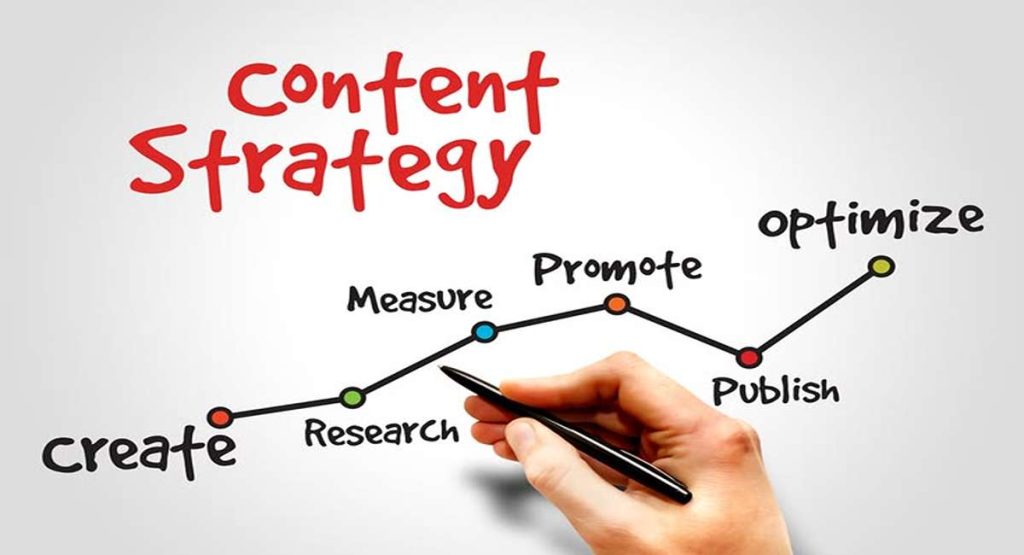
SEO for SaaS sits at the center of how software as a service companies plan their content today. SaaS companies operate in a market that rarely rewards quick wins. Buyers compare options for weeks, and several people usually join the final decision. Paid advertising cannot carry that weight alone, since the cost per click keeps climbing. Meanwhile, audiences also grow more skeptical of ads.
A clear SEO content strategy turns this challenge into an advantage. It helps a business reach the right audience. Over time, it also builds trust and real expertise. As a result, it turns visitors into leads instead of one time clicks.
SaaS buyers research heavily before they buy anything. They read about features and compare vendors side by side. In addition, they study guides and reviews long before contacting a sales team. A business without strong content misses that entire research phase. SEO is not an extra step. Instead, it is part of the foundation for growth that scales.
Overall, this guide walks through how SEO shapes content strategy. It covers the main building blocks. It also covers tactics that help a SaaS brand stand out through 2026 and beyond. Explore the wider approach on the Skyline SEO homepage.
Table of Contents
- What SaaS SEO Really Means
- Why SaaS Teams Need a Content Plan Guided by SEO
- SaaS Search Trends and Statistics for 2026
- Core Pillars of a Strong SaaS Content Strategy
- Practical Steps to Strengthen SaaS SEO Content
- Advanced Techniques for Scaling SaaS Content
- Common Mistakes That Quietly Hurt SaaS SEO
- Why Content Refresh Keeps Rankings Alive
- How Skyline SEO Supports SaaS Growth
- Frequently Asked Questions
- Final Thoughts
1. What SaaS SEO Really Means
SaaS SEO shapes a website so it ranks for people already searching for a solution. It targets active searchers, not a broad audience. As a result, that traffic converts at a much higher rate.
General SEO differs from this approach in a few ways. SaaS deals bring longer sales cycles. They also bring more than one decision maker. Teams need more educational material because of this. They also need pages built around the product itself. Every asset should help move a reader toward a decision.
Content built around SEO supports every stage of the funnel. For example, a blog post can introduce an idea to a new reader. Meanwhile, a case study can prove real results, and a comparison page can help a reader choose between tools. Each format builds trust in its own way.
Consistent work here grows organic traffic steadily. As a result, the business leans less on paid campaigns over time. For a full walkthrough, see the pillar guide on SaaS SEO and digital marketing strategy in the USA.
2. Why SaaS Teams Need a Content Plan Guided by SEO
A structured content plan beats random content almost every time. SaaS teams need real intention behind each piece. Otherwise, a stream of random posts rarely builds anything lasting.
A plan guided by SEO starts with real search data, not guesses. As a result, it keeps visibility and engagement tied to real demand.
Paid campaigns stop working the moment the budget runs out. Content that ranks well, however, keeps bringing visitors for months or years afterward.
Trust matters more than most teams realize. A clear answer builds confidence in the brand. Over time, that confidence often turns into free trial signups and demo requests.
Competition inside SaaS keeps growing every year. As a result, a business without a clear plan risks losing ground fast. See the guide on SaaS inbound marketing explained for the USA market. It shows how this fits into a wider funnel.
3. SaaS Search Trends and Statistics for 2026
SaaS search trends for 2026 keep shifting fast. Old assumptions from a year or two ago no longer hold. In fact, a few patterns stand out clearly right now.
- In fact, more than 70 percent of SaaS buyers start their research on a search engine. This shows how much organic visibility matters before any sales call.
- Additionally, content marketing produces about three times as many leads as traditional outbound methods.
- Search engines reward real intent and genuine usefulness now. They reward this over old tactics like keyword stuffing.
- Voice search keeps growing. Conversational, question based queries keep growing with it. Writers should use more natural phrasing because of this.
- Pages that get regular updates tend to outperform pages left untouched for years. In short, regular updates work as a real ranking factor, not a nice extra.
Ultimately, keeping these shifts in mind helps a SaaS brand match how people search today. The guide on keyword research for SaaS content turns these trends into an actual keyword list.
4. Core Pillars of a Strong SaaS Content Strategy
Audience Research and Mapping of Intent
.
Audience research starts every strong content plan. Different readers carry different needs at different stages of the buying journey.
Mapping keywords to intent matters here. A reader typing an informational question needs an educational answer. Someone comparing tools benefits from a case study or a comparison page. A reader ready to buy responds better to a clear call to action. Ultimately, this alignment lifts both engagement and conversions.
Keyword Strategy and Topic Clusters
Topic clusters beat chasing single keywords one at a time. This method builds one strong pillar page around a broad theme. It then supports that page with several related articles that link back to it.
This structure strengthens internal linking. It also builds what search engines read as topical authority. Our SaaS content links back to a central page on CRM and SaaS industry expertise. Search engines tend to reward that structure with stronger rankings over time.
This structure also helps a reader move naturally from one article to the next. It keeps them engaged with the brand for longer. See how to conduct keyword research for SaaS content to build a keyword list that supports this structure.
High Quality Content Creation
High quality content decides most of the outcome in SEO. No technical trick can replace it. Instead, SaaS readers expect clarity and a direct answer, not filler.
Simple language beats heavy jargon almost every time. Breaking an idea into smaller sections makes a page easier to read. Each piece should solve one specific problem clearly. Ultimately, that focus keeps a reader on the page longer.
On Page SEO
On page SEO makes strong content easy for a search engine to find. It also makes that content easy to understand.
Overall, this work includes keywords in titles, headings, and meta descriptions. It also includes better readability, optimized images, and useful internal links. Together these details support both user experience and ranking performance. The guide on technical SEO for SaaS in the USA covers the deeper technical side of this work.
Content That Converts
Content that converts matters just as much as traffic. Visitors mean little if none of them take the next step.
Clear calls to action help here. Focused landing pages help here too. In addition, a useful lead magnet gives a reader one more reason to stay in touch. A free trial, a demo, or a downloadable resource all work well. The guide on SaaS content marketing funnel strategy that converts covers this stage in more depth.

5. Practical Steps to Strengthen SaaS SEO Content
Start With a Content Audit
A content audit is the natural starting point for any team. Reviewing what already exists reveals real gaps. New content can then fill those gaps directly.
Regular content audits also catch pages that quietly lost their ranking. Catching this early saves months of lost traffic.
Focus on Long Tail Keywords
Long tail keywords deserve more attention than most teams give them. These terms carry less competition. They often carry a much clearer intent. That intent brings in more qualified visitors.
Strengthen Internal Linking
Internal linking should never be an afterthought. Connecting related pages helps readers move through a site with ease. It also spreads authority across pages that need it. See the best 10 link building tactics for SaaS businesses for tactics on earning links from other sites.
Repurpose Content and Track Results
Repurposing content stretches the value of work already done. A single blog post can become a short video. It can also become an infographic or a handful of social posts. Each format reaches a slightly different audience.
None of this matters without tracking. Reviewing traffic, engagement, and conversions regularly lets a team refine its strategy with real evidence. As a result, pairing organic work with paid promotion can speed up early traction. See the digital advertising strategy guide for SaaS in the USA for that approach.
6. Advanced Techniques for Scaling SaaS Content
Programmatic SEO at Scale
Programmatic SEO lets a team build many pages at scale. Each page targets a slightly different keyword variation. This method suits SaaS products with many use cases or integrations.
Programmatic SEO Trends for 2026
Programmatic SEO trends for 2026 point toward smarter templates, not just more pages. Search engines now spot thin, repetitive pages faster than before. Teams get better results when each templated page still answers a distinct question. A small dataset difference can make one templated page earn real rankings. So can a unique example or a specific comparison point placed carefully. A near duplicate page right next to it, however, may not rank at all.
Keep AI and Human Input Balanced
AI tools speed up parts of this process. They help analyze intent. They also suggest quick improvements. A human touch still needs to stay in the loop. Readers notice when authenticity goes missing.
Build Topical Authority and Strong Site Experience
Topical authority remains one of the strongest long term plays available. In fact, publishing thorough material on one subject signals real expertise over time.
None of this works well on a slow site. In addition, faster load times help rankings and conversions. Solid mobile behavior helps too. Simple navigation rounds out the list.
Working with specialists keeps quality high across a growing content library. Full service options sit on the SaaS digital marketing services page. Additionally, ideas for spreading finished content further sit on the content distribution strategies for early stage SaaS guide.
7. Common Mistakes That Quietly Hurt SaaS SEO
A few common SEO mistakes show up again and again. Even teams with good intentions fall into them.
- Targeting keywords that are too broad. This puts a small team up against far larger competitors for very little payoff.
- Ignoring search intent. A page can cover a topic and still miss what the reader actually wanted.
- Letting content sit untouched for years. Rankings quietly decline as a result.
- Building weak internal links. This limits navigation and the spread of authority across a site.
- Chasing traffic numbers while losing sight of conversions. A report can look good while the business barely benefits.
See content marketing mistakes for SaaS startups in the USA for a closer look, plus ways to avoid them.
8. Why Content Refresh Keeps Rankings Alive
A content refresh is one of the more overlooked parts of a long term SEO plan. In fact, finding underperforming pages and updating outdated information can lift rankings fast.
Adding new keywords keeps a page aligned with how people search today. In addition, fresh visuals and current examples add credibility too.
Search engines read consistent updates as a sign that a site stays active. As a result, that signal supports visibility that holds up over the long run.
Some teams call this process content refreshing. Still, the outcome stays the same either way.
9. How Skyline SEO Supports SaaS Growth
Skyline SEO builds tailored plans for SaaS companies. The work covers everything from keyword research to finished, ready to publish content.
The approach stays focused on measurable outcomes. In fact, more traffic, better rankings, and stronger conversion rates matter more than vanity metrics.
Personalized consultations help each business build a plan around its own goals, not a generic template. Full service details sit on the search engine optimization services page and the content writing services page.
Read more on the Skyline SEO blog. Reach out directly through the contact page to start a conversation.

10. Frequently Asked Questions
Q1. How long does SaaS SEO take to show results?
Most teams see early movement within three to six months. Stronger results often build over six to twelve months. Timing depends on competition and consistency.
Q2. Which content format works best for SaaS SEO?
Different formats serve different stages. Blog posts build awareness. Case studies and comparisons support evaluation. Landing pages handle conversion.
Q3. Should a SaaS team focus on blogs or landing pages first?
Both matter here. Blogs bring in traffic. Landing pages turn that traffic into leads. A connected plan uses both together.
Q4. How do teams measure success in SaaS SEO?
Teams track organic traffic, keyword rankings, leads, and conversions. Engagement signals like time on page round out the picture.
Q5. Is SEO better than paid advertising for SaaS?
Each channel has its own role. Paid advertising brings faster short term results. However, SEO builds visibility and trust that last much longer. Many teams get the best outcome from combining both.
Q6. Why does internal linking matter so much?
Internal linking helps readers move through a site with ease. It spreads authority across pages. It also guides visitors toward pages built for conversion.
Q7. Can a small SaaS startup compete against larger companies through SEO?
Yes, smaller teams can compete well here. They can target niche and long tail terms that larger companies overlook. Steady work then builds authority from there.
11. Final Thoughts
SEO for SaaS keeps growing in importance for content strategy. It drives visibility and builds authority. Over time, it also creates a steady stream of leads, not a short burst tied to one campaign.
Teams that focus on real reader intent see steady growth compound over time. Teams that keep content quality high see the same result. In addition, reviewing performance regularly adds to that effect. Programmatic SEO and consistent content refresh work add an extra edge on top of that foundation.
Ultimately, building a real SEO strategy is one of the most important decisions any growing SaaS business can make. Explore the full SaaS digital marketing strategy pillar guide to see how all of these pieces fit together.