
Digital Advertising Strategy for SaaS USA
In 2026, crafting a digital advertising strategy for SaaS USA is more crucial than ever. SaaS companies face a unique challenge: standing out in a crowded market while attracting the right decision-makers. Traditional marketing methods often fail, which is why understanding what is SaaS marketing? is key.
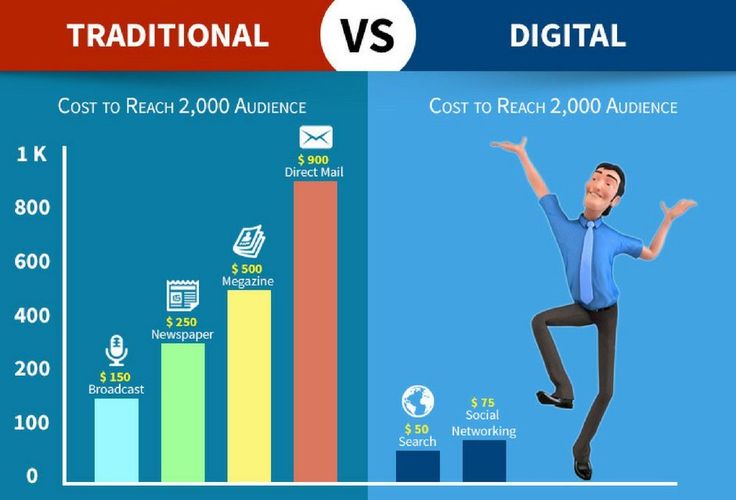
SaaS marketing differs from traditional marketing in that it emphasizes recurring revenue, customer retention, and user lifetime value. With the right digital channels and optimization, your SaaS business can boost leads, increase conversions, and establish authority. In this guide, we’ll break down essential SaaS marketing terms you need to know, explore your new go-to SaaS digital marketing channels, and provide actionable steps to optimize your strategy.
Table of Contents
- Introduction: Digital Advertising Strategy for SaaS USA
- What is SaaS Marketing?
- What Makes SaaS Marketing Different from Traditional Marketing
- Essential SaaS Marketing Terms You Need to Know
- Why the SaaS Marketing Journey is So Confusing
- Your New Go-To SaaS Digital Marketing Channels
- Main Channels for Marketing SaaS Solutions
- How to Optimize Your SaaS Marketing Strategy
- How to Measure the Success of Your SaaS Marketing Plan
- SaaS Marketing Examples
- Conclusion + Conversion CTA
- FAQ
What is SaaS Marketing?
SaaS marketing is the process of promoting software-as-a-service products to attract, engage, and retain users. Unlike traditional product marketing, SaaS marketing focuses on:
- Subscription models
- Customer onboarding
- Retention and churn management
- Recurring revenue growth
For instance, a SaaS like HubSpot invests heavily in content marketing and automated email campaigns to nurture leads. In 2025, 73% of SaaS companies globally reported that content-driven campaigns drove the majority of their leads (Source: Gartner 2025 SaaS Trends).
Learn more about inbound SaaS marketing here
What Makes SaaS Marketing Different from Traditional Marketing
SaaS marketing isn’t just about acquiring customers, it’s about building long-term relationships. Key differences include:
- Focus on Retention: Traditional marketing aims for one-time sales. SaaS prioritizes renewals.
- Complex Buyer Journey: SaaS buyers research extensively before purchasing.
- Subscription-Based Revenue: Every customer adds recurring value over time.
- Data-Driven Strategies: Analytics and metrics guide SaaS decisions, unlike broad-stroke traditional campaigns.
Example: Zoom grew exponentially by offering free trials, tracking user behavior, and retargeting potential customers with personalized campaigns.
Explore your SaaS expertise for better marketing here.
Essential SaaS Marketing Terms You Need to Know
Understanding SaaS terminology is crucial for effective campaigns:
- MRR (Monthly Recurring Revenue): Predictable monthly income from subscriptions.
- Churn Rate: The percentage of customers leaving per month.
- CAC (Customer Acquisition Cost): Total cost to acquire a customer.
- LTV (Lifetime Value): Revenue generated from a customer over their subscription.
- Freemium Model: Offering a basic version to attract users before upselling.
Knowing these terms helps optimize campaigns and measure ROI effectively.
For technical strategies, see Technical SEO for SaaS.
Why the SaaS Marketing Journey is So Confusing
The SaaS marketing journey is complex because:
- Multiple decision-makers influence purchase decisions.
- Free trials and freemium models create extended evaluation periods.
- Customers expect high-touch onboarding experiences.
- Continuous feature updates require ongoing communication.
For example, Salesforce invests heavily in personalized onboarding and in-app guidance to reduce churn. Confusion arises when marketers use traditional funnels instead of SaaS-specific paths.
Learn about SaaS inbound marketing here.
Your New Go-To SaaS Digital Marketing Channels
To maximize results, focus on these channels:
- Content Marketing: Blogs, case studies, and eBooks for lead nurturing.
- Search Engine Marketing (SEM): Paid ads targeting high-intent queries.
- SEO for SaaS: On-page, technical, and content SEO optimized for conversions.
- Social Media Advertising: LinkedIn and Twitter excel for B2B SaaS.
- Email Marketing: Automated drip campaigns for retention and upsells.
Boost SaaS SEO strategies on our home page.
Main Channels for Marketing SaaS Solutions
Let’s break down the main channels:
- Organic Search
SEO drives inbound traffic, builds authority, and reduces reliance on paid channels. Example: Salesforce ranks for 5,000+ SaaS-related keywords globally.
- Paid Search
Google Ads and Bing Ads capture high-intent prospects. 2026 stats show PPC ROI for SaaS averages 200% (Source: HubSpot 2026 SaaS Report). Paid advertising for SaaS works best when your landing pages already demonstrate authority. Sending paid traffic to a page like your SaaS industry expertise improves Quality Score and conversion rate because the content matches what sophisticated SaaS buyers are looking for.
- Social Media
LinkedIn and Twitter outperform other channels in B2B engagement. Focus on content that educates and converts.
- Email & Marketing Automation
Personalized campaigns reduce churn by up to 30%. Use segmented automation based on user behavior.
Optimize campaigns with content writing services.
How to Optimize Your SaaS Marketing Strategy
Optimization involves continuous improvement:
- Customer Persona Refinement: Understand decision-makers’ pain points.
- Funnel Mapping: Align content with each stage of the SaaS buyer journey.
- A/B Testing: Test email subject lines, landing pages, and ad creatives.
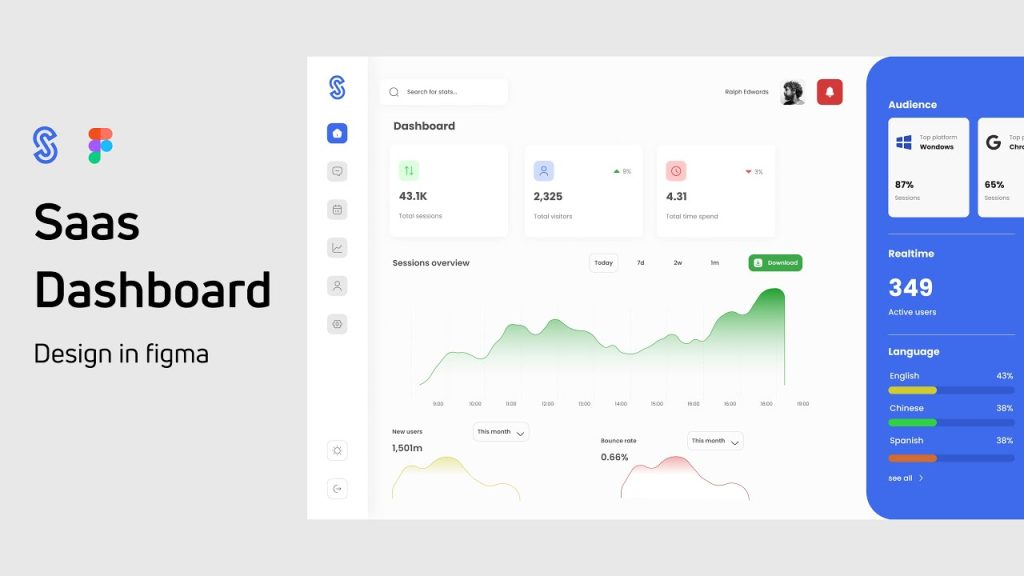
- Analytics & KPIs: Track MRR, CAC, LTV, and churn to guide decisions.
- Feedback Loops: Collect customer insights to improve messaging.
Example Workflow: Map funnel → deploy content → track metrics → adjust messaging → repeat.
Read about SEO optimization.
How to Measure the Success of Your SaaS Marketing Plan
Key metrics include:
- Lead Velocity Rate (LVR): Growth in qualified leads month-over-month.
- Conversion Rate: Percentage of trial users converting to paying customers.
- Churn Rate: Customer retention measurement.
- Customer Lifetime Value (LTV): Indicates revenue potential per user.
Practical Tip: Use Google Analytics 4 for multi-touch attribution and for integrating AI-powered insights into predictive modeling.
Integrate insights with Google Ads services.
SaaS Marketing Examples
HubSpot
- Focused on educational content and free CRM trials.
- Used inbound marketing to generate leads and conversions.
Slack
- Viral product adoption through referral campaigns.
- SEO-driven blog posts helped establish authority.
Canva
- Targeted social media campaigns to small businesses.
- The Freemium model encouraged trial-to-paid conversions.
These examples highlight the effectiveness of targeted strategies, analytics, and content-driven marketing.
See more SaaS marketing case studies on our blog.
Conclusion + Conversion CTA
A strong digital advertising strategy for SaaS USA requires understanding the SaaS-specific marketing landscape, leveraging the right channels, and optimizing campaigns with data-driven insights. By focusing on retention, recurring revenue, and customer-centric campaigns, your SaaS business can achieve sustainable growth in 2026 and beyond.
Actionable Next Step: Partner with Skyline SEO to implement a tailored SaaS marketing plan today. Contact our SEO and digital marketing experts to start driving measurable results.
FAQ
- How do I start a SaaS marketing campaign?
Start by defining your buyer personas, mapping the customer journey, and selecting channels like SEO, social media, and email automation. Focus on measurable KPIs, such as MRR and LTV. - What is the most effective SaaS marketing channel?
Content marketing and SEO dominate for inbound leads, while PPC campaigns are effective for high-intent conversions. A multichannel approach is ideal. - How do I reduce churn in SaaS marketing?
Implement onboarding emails, in-app guides, and personalized support. Track usage and intervene early with at-risk users. - Can AI improve SaaS digital advertising strategies?
Yes. AI can predict churn, optimize campaigns, and provide insights for personalized messaging, improving ROI. - How do I measure SaaS marketing ROI?
Use metrics like CAC, LTV, churn, MRR, and conversion rates. Tools like Google Analytics 4 and HubSpot CRM help track performance efficiently.