
B2B SaaS SEO: 7 Proven Steps to Win Leads in 2026

B2B SaaS SEO is the fastest way to build a lead engine that keeps paying after the ad budget stops. Software buyers search long before they talk to sales. Therefore, the brands they find first often win the deal.
This guide gives you seven clear steps. Each step comes with plain advice, fresh 2026 data, and links to deeper lessons from our team. Whether you run a seed stage startup or a growing platform, you can use this plan today.
We wrote it for founders, marketing leads, and content managers in the United States and beyond. Besides that, we kept the language simple, so your whole team can follow along. Let us start with the basics.
Table of Contents
ToggleWhat Is B2B SaaS SEO and Why Does It Matter?
B2B SaaS SEO is the practice of earning organic search traffic from business buyers who need software. It covers keyword research, content, technical health, and links. However, it also covers product pages, comparison pages, and help content.
Unlike a consumer site, a software company sells to a group. A buyer, a manager, and a finance lead may all search. Consequently, one sale can involve dozens of searches over several months.
For this reason, a good SaaS SEO guide must cover the whole journey. Awareness, comparison, and trial pages each need a plan. Otherwise, traffic arrives but never turns into pipeline.
If you are new to the topic, read our pillar post on the SaaS SEO and digital marketing strategy. It explains how search fits with the rest of your growth plan.

B2B SaaS SEO Statistics for 2026, With U.S. Signals
Numbers help you decide where to spend. Still, treat every statistic as a direction, not a promise. Sources, sample sizes, and dates all differ. Here are the figures we verified for this guide.
- Search engines send 76% of trackable B2B website traffic, according to a 2026 roundup from SEO Sherpa.
- Organic leads close at 14.6%, versus 1.7% for outbound, according to First Page Sage data in that roundup.
- Paid search costs $280 per SaaS lead, compared with about $147 for organic, per the same source.
- The median top SaaS company earns 881,000 organic visits each month, according to a September 2026 benchmark from Webtonic.
- Of the 50 companies in that study, 45 still run paid search beside organic.
- Only 13% of marketing qualified leads become sales qualified, according to First Page Sage figures summarized by Martal.
Now consider the U.S. signal. Pew Research Center tracked 900 U.S. adults and 68,879 Google searches in March 2025. When an AI summary appeared, users clicked a normal result in 8% of visits. Without a summary, the rate reached 15%, as The Decoder reported.
Only 1% of visits included a click on a link inside the summary itself. In other words, the summary often ends the search. That finding is the latest Pew data we could verify, so check for newer releases before you present it.
What does this mean for your plan? Clicks are harder to win, so each ranking must earn its click. Specific titles, original data, and clear answers help you stand out. Moreover, getting cited by AI tools becomes a second goal beside rankings.
One more signal comes from a study of 53 B2B SaaS brands over eight months. Organic search delivered 91.3% of traffic and 37 times more leads than AI engines combined, per the Mean CEO analysis. Because the sample is small, treat it as a hint, not a rule.
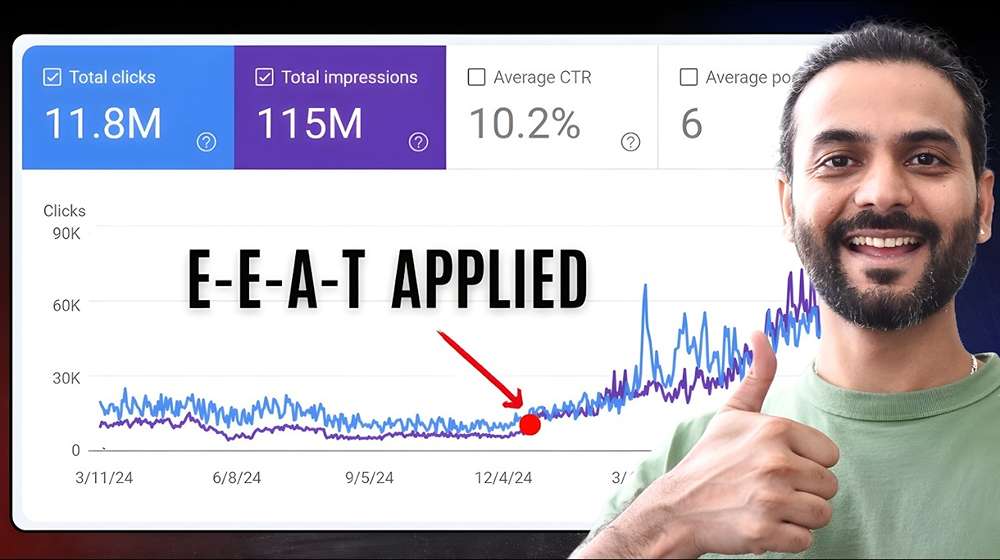
How EEAT Strengthens B2B SaaS SEO
Google asks quality raters to look for experience, expertise, authoritativeness, and trust. The company explains the idea in its guidance on helpful, people first content. Software buyers act the same way. They compare vendors, read reviews, and check who wrote the advice.
Show Real Experience in B2B SaaS SEO
Add screenshots, test results, and short customer stories to every important page. Name the person who ran the work. Also share the numbers, even when results look modest. Honest detail beats polished claims every time.
Prove Expertise in B2B SaaS SEO With Named Authors
Give every article an author box with a role, a photo, and a short bio. Then link to a full profile page. In addition, add a reviewer line for technical or legal topics. For more on this, read our post on turning SaaS industry expertise into trust.
Build Authority and Trust
Authority grows when other sites cite you. Trust grows when your site feels safe, clear, and honest. Therefore, use HTTPS, list a real company address, and show how to reach support. Finally, publish clear pricing, privacy, and refund terms.

Step 1: Build a SaaS SEO Strategy That Ties to Revenue
A strong SaaS SEO strategy starts with business goals, not keywords. First, ask which plan, region, or customer type you want more of. Then pick targets that match those answers.
Next, set three simple goals. One goal covers traffic, one covers trial or demo requests, and one covers revenue. As a result, every page has a clear job.
Also decide who owns the work. Small teams can share tasks between a founder, a writer, and a freelancer. Larger teams need a clear brief process. Our post on the role of SEO in SaaS content strategy shows how to split the tasks.
Finally, agree on a reporting rhythm. A monthly review works well for most teams. Meanwhile, a quarterly review helps you adjust the plan.
Step 2: Do Keyword Research for B2B SaaS SEO
Keyword research is the base of every plan. Without it, you guess what buyers want. With it, you see the exact words they type.
Start B2B SaaS SEO With Search Intent
First, group each phrase by intent. Informational phrases, such as how to improve SEO for SaaS companies, call for guides. Comparison phrases call for versus pages. Product phrases call for landing pages. Therefore, match the page type to the intent before you write a word.
Choose Low Difficulty Phrases First
New sites should chase phrases with lower difficulty. For example, SEO for SaaS startups scores 15 on keyword difficulty in our data, while broader terms sit above 30. Likewise, the broader phrase scores 20 with strong monthly volume.
In addition, collect SEO keywords for SaaS that reflect real pain points. Good examples include churn, onboarding, billing, and integrations. Moreover, add job titles and industries to find narrow phrases. Narrow phrases convert better because the reader already knows the problem.
Build Topic Clusters
Next, group related phrases into clusters. One pillar page covers the broad topic. Several support pages answer narrow questions and link back to the pillar. Consequently, search engines see your depth on the subject.
For the full process, follow our walkthrough on keyword research for SaaS content.
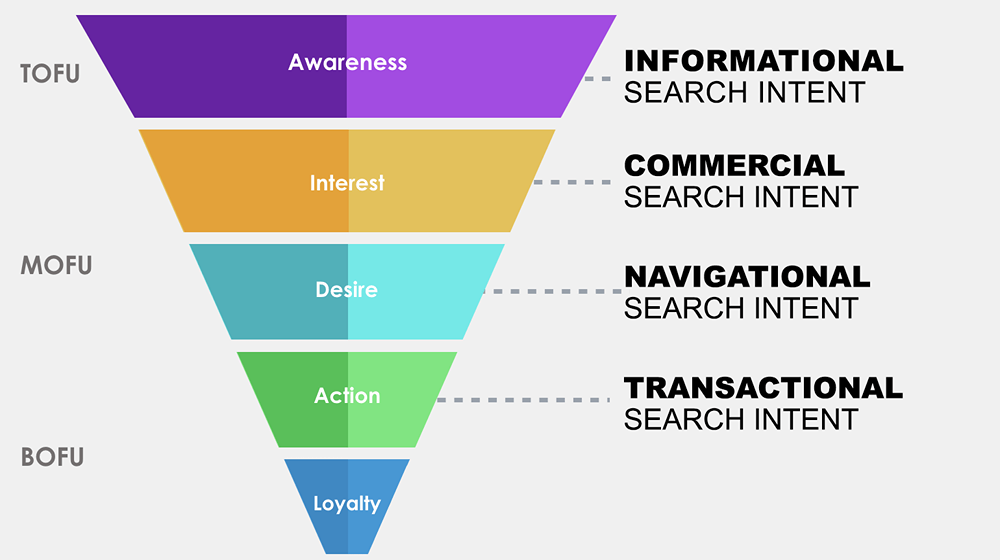
Step 3: Create SEO Content for SaaS at Every Funnel Stage
Good SEO content for SaaS answers a real question and then points to the next step. Think of three stages. Top stage pages teach. Middle stage pages compare. Bottom stage pages prove value and ask for action.
Top of Funnel: Teach
Write guides, definitions, and how to posts. Keep them plain and practical. For instance, a post on churn can show a simple formula and a short example. Because these pages bring new readers, add a soft call to action.
Middle of Funnel: Compare
Buyers now weigh options. Create comparison pages, alternative pages, and checklists. Be fair and specific. In fact, honest comparisons build trust faster than bold claims.
Bottom of Funnel: Convince
Show case studies, pricing, demos, and integration pages. Add proof such as customer names, results, and short quotes. Then make the next step obvious. A single clear button beats five weak links.
To connect these stages, study our SaaS content marketing funnel strategy.
Write for Humans First
Use short sentences and active voice. Define jargon the first time you use it. Also add original data, such as survey results or product usage trends. Original research earns links and citations from other writers.
Step 4: Fix the Technical Side of B2B SaaS SEO
Technical problems can hide great content from search engines. Therefore, audit your site at least twice a year. Our guide on technical SEO for SaaS in the USA covers each item in depth.
Crawl and Index Health for B2B SaaS SEO
First, confirm that search engines can reach your key pages. Check the robots file, the XML sitemap, and index coverage in Google Search Console. Then remove thin pages, such as empty tag archives or test pages.
Site Speed and Mobile Use
Next, test page speed on a phone. Compress images, trim scripts, and use caching. Many buyers read on mobile before they open a laptop. As a result, slow pages cost you early trust.
Structure and JavaScript
SaaS sites often rely on JavaScript. However, search engines may struggle to render heavy scripts. Therefore, make sure core text and links appear in the page source. Also keep your site structure flat, so important pages sit within three clicks of the home page.
Product Docs and App Pages
Public help articles can bring strong traffic. Keep them on the main domain when possible. Meanwhile, block private app pages from indexing, because they add no value to search.
Step 5: Earn Links That Support B2B SaaS SEO
Links remain a strong ranking signal. Yet quality matters far more than volume. One link from a respected industry site beats fifty weak directory links.
Start with assets that deserve a link. Original surveys, free tools, templates, and clear benchmark reports all work well. In addition, a partner page or integration listing can bring steady referral links.
Next, reach out with a personal note. Explain why your asset helps the other audience. Also keep your list small and relevant. Ten careful emails often beat a hundred generic ones.
For more ideas, read our list of the best 10 link building tactics for SaaS businesses. Finally, track every link and watch for lost ones.
Step 6: Distribute Content to Boost B2B SaaS SEO
Even great pages need a push. Distribution helps new content earn early visits, shares, and links. Consequently, it supports your search results over time.
Share each article with your email list, your social followers, and your customers. Then repurpose it as a short video, a checklist, or a slide deck. Our post on content distribution strategies for early stage SaaS gives a simple weekly routine.
Search also works well with other channels. For example, inbound marketing for SaaS turns readers into leads through useful offers. Meanwhile, a smart digital advertising strategy for SaaS can test messages quickly before you invest in new pages.
The Webtonic benchmark supports this mix. As noted earlier, 45 of 50 top SaaS companies run paid search beside organic. In short, the two channels help each other.
Step 7: Measure B2B SaaS SEO Results That Matter
Traffic alone does not pay the bills. Therefore, track the numbers that link to revenue. Start with a short dashboard that your whole team can read.
Track Core B2B SaaS SEO Metrics
- Organic visits to key pages
- Demo and trial requests from organic search
- Marketing qualified leads and sales qualified leads
- Pipeline value and closed revenue from organic search
- Rankings for your top ten target phrases
Fix the Funnel Leaks
Remember the 13% figure from earlier. Only a small share of marketing leads become sales leads. Often, the cause is a weak lead definition, not weak effort. So, sit with your sales team and agree on what a good lead looks like.
Review and Adjust
Review results each month. Update pages that sit on page two. Also refresh old posts with new data. In many cases, a small update lifts a post faster than a brand new article.
If you want expert help, our SaaS digital marketing services in the USA cover planning, content, and reporting.
Quick Wins You Can Ship This Week
Not every gain needs a big project. Some small changes pay off within days. Pick two or three from the list below and finish them before Friday.
- Rewrite page titles so each one names the problem and the benefit.
- Add a short answer box at the top of your key guides.
- Link every new post to your pillar page and two support pages.
- Add author bios with real names, roles, and photos.
- Refresh the five oldest posts with new data and clear dates.
Small wins also build team confidence. As a result, bigger projects feel easier to start.
Common B2B SaaS SEO Mistakes to Avoid
Most teams repeat the same errors. Fortunately, you can dodge them with a little care.
- Writing for search engines instead of buyers.
- Chasing high volume phrases that never convert.
- Skipping author names and proof of experience.
- Ignoring old posts that need a refresh.
- Publishing without a distribution plan.
Several of these errors appear in our post on content marketing mistakes for SaaS startups. Read it before you plan your next quarter.
SEO for SaaS Startups: A 90 Day Starter Plan
SEO for SaaS startups works best with a tight focus. You have limited time and money. So, pick one customer group and one core problem.
Days 1 to 30: Lay the Base
Fix technical basics and set up Google Search Console. Then research thirty low difficulty phrases. Also write your author bios and trust pages.
Days 31 to 60: Publish the Core
Publish one pillar page and four support posts. Add internal links between them. Furthermore, add a clear call to action to each page.
Days 61 to 90: Promote and Learn
Share each post with your audience and ask for feedback. Next, reach out to ten relevant sites for links. Finally, review your dashboard and plan the next quarter.
Many SaaS SEO tips sound complex. In practice, steady weekly work beats a big burst once a year.
Should You Build It In House or Hire Help?
Both paths can work. Your choice depends on budget, speed, and skill. A small team with a good writer can handle the basics. However, a team without technical skill may stall on audits and site fixes.
Consider a hybrid model. Keep strategy and product knowledge in house. Then hire experts for audits, link outreach, and reporting. In this way, you protect your voice while you gain speed.
Whichever route you choose, ask for clear goals and clear reports. Also ask how the partner will show experience and proof. Good partners answer these questions with real examples.
Key Takeaways From This B2B SaaS SEO Guide
B2B SaaS SEO rewards patience, proof, and clear focus. Here is what to remember from this guide.
- Organic leads close far better than outbound leads, so search deserves a real budget.
- AI summaries cut clicks, so earn each click with specific, original content.
- EEAT matters because buyers check who wrote the advice.
- Intent, topic clusters, and funnel stages keep your content useful.
- Technical health, links, and distribution turn good pages into rankings.
- Measure revenue, not only traffic.
Ready to turn these steps into a working plan? Visit Skyline SEO and book a free B2B SaaS SEO review. Our team will audit your site, show you the gaps, and map your first 90 days. You can also browse more lessons on the Skyline SEO blog.
Frequently Asked Questions About B2B SaaS SEO
What is B2B SaaS SEO?
B2B SaaS SEO is the process of earning organic search traffic from business software buyers. It combines keyword research, helpful content, technical fixes, and link building. The goal is demos, trials, and revenue.
How long does B2B SaaS SEO take to work?
Most teams see early movement in three to six months. Strong results often take twelve months or more. However, the timeline depends on competition, site health, and content quality.
How much does SEO for SaaS companies cost?
Costs vary by team size and scope. A small startup may start with a part time writer and a freelancer. Larger firms often hire an agency. Compare the cost with the cost per lead from paid channels.
Is SEO better than paid ads for SaaS?
Both have a role. Organic traffic costs less per lead over time, according to the SEO Sherpa roundup. Paid ads, however, give faster tests. Most top SaaS brands use both.
Does AI search replace B2B SaaS SEO?
No. AI summaries reduce clicks on some searches, yet strong content still feeds those answers. Therefore, good SEO now supports both rankings and AI citations.
Which SEO keywords for SaaS should I target first?
Start with informational phrases that have lower difficulty. Examples include SaaS SEO tips, SEO for SaaS startups, and how to improve SEO for SaaS companies. Then expand into comparison phrases.