
Blog vs Vlog | Which Content Path Is Right for You
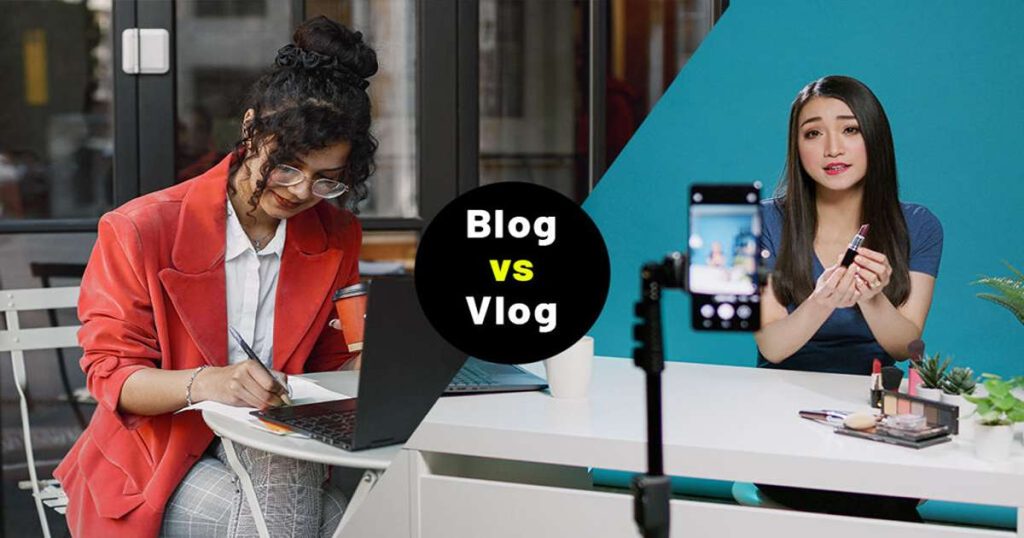
Content creation now sits at the center of self-expression, business growth, and personal branding. As more of the world moves online, the blog vs vlog decision matters more than it used to. This guide breaks the choice down in practical terms, not just theory, so you can pick a path and actually start.
Both paths open real opportunities. However, they ask for different things from you. The right choice depends on your goals, your current skills, and what your audience actually wants to consume.
By the end of this guide, you will understand the difference between vlogging and blogging, and you will have a clear next step either way.
Table of Contents
- Content Creation Trends in 2026
- What Is Blogging
- What Is Vlogging
- Key Differences Between Blogging and Vlogging
- Why Blogging Still Works for SEO
- How to Start Blogging: A Simple Beginner Path
- How to Start Vlogging: A Simple Beginner Path
- Monetization Options for Each Path
- SEO Tips for Video Content
- Blogging or Vlogging: Weighing the Pros and Cons
- Can You Do Both? The Hybrid Approach
- Which Path Fits Your Goals
- Explore More From the Content Marketing and Writing Hub
- Frequently Asked Questions
- Final Thoughts
- Ready to Start Creating
Content Creation Trends in 2026
Before comparing the two formats directly, it helps to see where content consumption stands right now. The picture has shifted, and that shift shapes which path makes more sense for a given goal.
Blogging remains a genuinely large space. Industry estimates place active blogs worldwide well above 600 million, with several million new posts published daily.
The average post now runs past 1,300 words, a length that keeps climbing, since longer posts tend to earn more backlinks and hold rankings better than short ones.
For a deeper look at where the industry is heading next, see our breakdown of the future of content marketing.
Where Video Fits In
Video, meanwhile, has become the format people spend the most personal time with. According to a Synthesia video consumption report, the average internet user now spends more hours each week watching online video than watching traditional television.
Most of that viewing is short-form rather than long-form. This shift explains why how to create a vlog has become such a common search on its own.
Neither trend cancels the other out. Global content marketing spending is projected to pass $107 billion in 2026, and businesses are pouring that budget into blog content and video content at once, not choosing between them. Both formats still work, they just work differently, and the sections below explain how.
What is Blogging
Blogging means publishing written articles on a website, usually organized by date or topic, often centered on a specific niche. A blogger might write about personal experience, professional knowledge, or lifestyle advice, depending on what they know and who they want to reach.
The barrier to entry stays low. Anyone with basic writing ability and an internet connection can start a blog, which partly explains why blogging remains such a crowded, yet accessible, space. No camera, no editing software, and no on screen presence are required.
What is Vlogging
Vlogging means publishing video content, usually on platforms such as YouTube, Instagram, or TikTok, where a creator appears on camera or narrates over footage. Content ranges from daily personal vlogs to structured tutorials, product reviews, or challenge style videos, depending on the niche.
Getting started takes more equipment than blogging does. A vlogger generally needs a camera or a capable smartphone, basic editing software, and a stronger sense of visual pacing than a blog post requires, since video holds attention differently than text does.
Key Difference Between Blogging and Vlogging
The difference between vlogging and blogging comes down to five practical factors. Understanding each one makes the decision easier than treating it as one vague preference.
Content Format
The clearest split is the medium itself. Blogging relies entirely on written words, while vlogging relies on moving images and sound. Your comfort writing versus speaking on camera is usually the first real signal of which path suits you.
Audience Connection
Vlogging tends to build a more personal, immediate connection, since viewers see a real face and hear a real voice. That creates an emotional read that text cannot fully match. Blogging attracts a different kind of reader instead, someone who prefers depth and detail over real-time viewing.
Startup Cost and Skills
Blogging is the cheaper, faster path to begin. A computer and stable internet connection are genuinely enough. Vlogging asks for more upfront investment, typically a decent camera, a microphone, and editing software, which raises the entry cost noticeably even at a basic level.
Search Visibility for Each Format
Both formats can rank in search, just through different mechanics. Blogging leans on text, keywords, and standard on-page SEO.
Vlogging depends on video specific SEO, tags, descriptions, and the thumbnail a viewer sees before clicking, which functions almost like a headline does for a blog post.
Monetization Paths
Bloggers commonly earn through affiliate links, sponsored articles, or display advertising. Vloggers typically earn through platform ad revenue, brand partnerships, and direct sponsorships, a monetization mix that looks different even when audience size is similar.
Why Blogging Still Works for SEO
Blogging remains one of the most reliable ways to build long-term search visibility, for five clear reasons.
- Keyword integration. a blog post gives far more natural room to work real keywords into the text than a video description does.
- Link building. bloggers routinely link out to relevant content, and this habit supports a stronger backlink profile over time.
- Fresh content signals. search engines reward sites that publish consistently, since ongoing output signals an actively maintained site.
- Depth and coverage. a post can run far longer than a video title or caption, so it can realistically rank for a wider spread of related keywords.
- Easy updates. an existing post can be refreshed at any time, and doing so is one of the simplest ways to protect a ranking that has started to slip.
- Working with professional content writers is one way to keep that publishing schedule consistent without burning out. For a deeper walkthrough of structuring a post for search from the first draft, our guide on how to write an SEO friendly blog post covers the process step by step.
How to Start Blogging | A Simple Beginner Path
If blogging looks like the right fit, here is a straightforward path to begin, rather than staying stuck at the planning stage. This section explains why start a blog matters before the how.
- Pick a focused topic. choose a subject narrow enough that you can write about it consistently without running out of ideas within a month.
- Choose a simple platform. WordPress remains the most common starting point, since it balances ease of use with real long-term flexibility.
- Write five posts before publishing. a small buffer removes the pressure of publishing under a tight deadline every week.
- Learn one SEO habit at a time. start with clear title tags and natural keyword use, then add technical habits gradually.
- Publish on a schedule you can sustain. one solid post every two weeks beats three rushed posts followed by three months of silence.
This path mirrors the vlogging path below closely, since the two formats share more structural similarities than most people expect. If you would rather not write the posts yourself, our freelance content writers can take that part off your plate.
How to Start Vlogging | A Simple Beginner Path
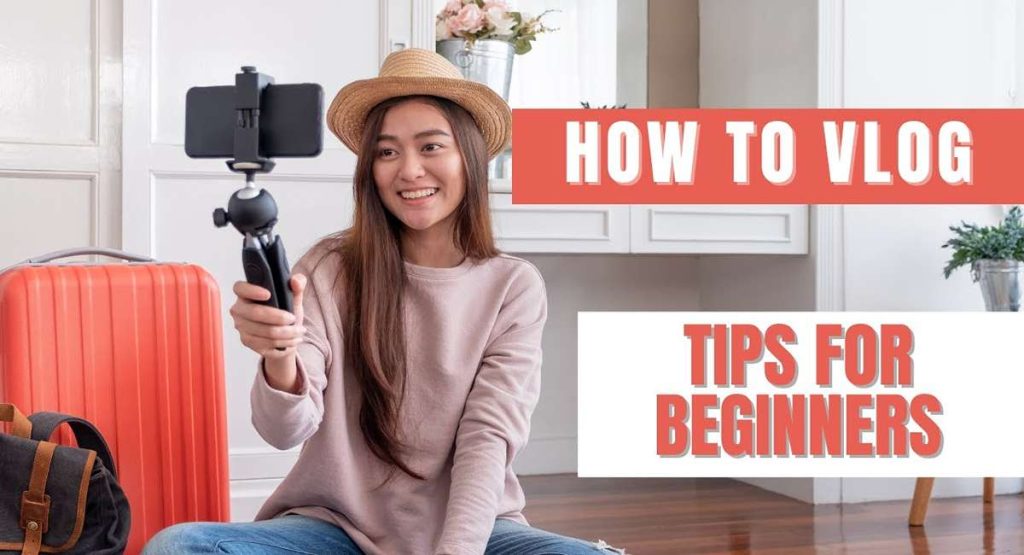
If video feels like the more natural fit, here is a beginner path that avoids over investing in equipment before testing the format at all. This is the practical version of how to create a vlog from scratch.
- Choose your niche. this could run from travel and tech reviews to everyday lifestyle content, whatever you can talk about comfortably.
- Start with what you own. a smartphone with a reasonable camera is genuinely enough to begin, no separate purchase required at first.
- Learn basic editing on free software. tools such as iMovie or a built in phone editor cover the essentials while you find your format.
- Post on a realistic schedule. once a week, or even once a month, is fine, since consistency matters more than raw frequency.
- Reply to every comment early on. direct interaction in the first few months builds the loyal viewership that algorithms tend to reward later.
Monetization Options for Each Path
For Bloggers
- Affiliate marketing. promote products and earn commission through referral links placed naturally inside your content.
- Sponsored posts. brands pay directly for a review or mention placed within a relevant article.
- Display advertising. run ads through networks such as Google AdSense once your traffic reaches a workable level.
- Digital products or services. sell courses, guides, or consulting built on the expertise your blog already demonstrates. If freelancing is part of your plan, it helps to understand how freelance writers get paid before you take on client work
For Vloggers
- Platform ad revenue. earn a share of advertising income through YouTube or similar platforms once you meet eligibility thresholds.
- Brand partnerships. work directly with brands to feature products in exchange for payment or free product.
- Merchandise. sell branded items such as apparel or accessories once you have built a loyal audience.
- Direct viewer support. platforms such as Patreon let viewers pay directly for extra or early access content.

SEO Tips for Video Content
If you choose the vlogging path, video specific optimization deserves real attention, not an afterthought.
- Optimize titles and descriptions. write both so that YouTube and other search engines can clearly understand what the video covers.
- Design a strong custom thumbnail. an eye-catching thumbnail has a real, measurable effect on click-through rate.
- Actively invite engagement. asking viewers to like, comment, and share sends a clear signal that your content holds real value.
Video and image handling share more overlap with blogging SEO than most people assume. Our guide on image optimization covers the same compression and naming principles that also apply to thumbnails and video covers.
Blogging or Vlogging | Weighing the Pros and Cons
Blogging: The Case For
- Strong search traffic potential once keyword optimized properly.
- Lower cost to begin, needing only a platform and writing ability.
- Full control over site design and layout.
- Well suited to detailed, long form explanation.
- A gentler technical learning curve for most beginners.
Blogging | The Case Against
- Producing consistent, high quality writing takes real ongoing time.
- Writers block is a genuine recurring obstacle.
- The space is crowded, which makes standing out harder than it once was.
Vlogging | The Case For
- High visual appeal that captures attention quickly, especially on YouTube and TikTok.
- A more personal, direct connection with viewers.
- Strong ongoing growth, particularly among younger audiences.
- Effective for fast brand recognition.
Vlogging | The Case Against
- A heavier time commitment across filming, editing, and posting.
- A real technical learning curve around editing and production.
- Higher potential startup costs depending on equipment choices.
- Video platforms are heavily saturated, which makes standout content harder to achieve.

Can You Do Both | The Hybrid Approach
Plenty of successful creators do not choose one format at all. Instead, they run a blog and a channel side by side, using each format to support the other rather than compete with it for the same attention.
A written post can become a short video summary, and a video can be transcribed and expanded into a full article. As a result, one round of research effectively produces two pieces of content instead of one.
This hybrid approach also protects you against platform risk, since a change to one algorithm does not remove your entire audience at once.
Repurposing one piece across formats works even better alongside content syndication, which extends a single post’s reach to new platforms and audiences.
If writing is genuinely not your strength, but you still want the SEO value blog content brings, working with a real content writing service in Pakistan lets you keep the written side running professionally while you focus your own time on video.
Which Path Fits Your Goals
If your goal is long term, search driven traffic, and you are comfortable writing regularly, blogging is usually the stronger starting point, since it is cheaper to test and easier to refine along the way.
If your goal is fast audience connection, and you are comfortable being on camera, vlogging tends to reward that comfort more directly, especially on platforms built around short-form video.
If you are still unsure, start with whichever path requires less new equipment or new skill for you personally. Publish five pieces, then judge your own energy honestly. The format that still feels sustainable after five pieces is usually the one worth committing to.
Explore More From the Content Marketing and Writing Hub
This guide sits inside a wider resource hub covering content creation and search focused writing. For the writing side specifically, see our breakdown of SEO copywriting as its own discipline, or our guide to on-page SEO best practices for the technical side of page structure.
You can also browse more of the hub directly, including our guide to content writing services in Pakistan and a look at what makes content genuinely effective.
Frequently Asked Questions
Q1. Which is more SEO friendly, blogging or vlogging?
Blogging tends to be more directly SEO friendly, since written text can be optimized through keywords, internal links, and length in ways video cannot match on its own. Video content, when optimized with strong titles, descriptions, and tags, can still rank well inside YouTube search itself.
Q2. Can I do both blogging and vlogging at the same time?
Yes, and many successful creators do exactly that. Running both formats lets you reach readers who prefer text and viewers who prefer video, using the same core research and ideas for each.
Q3. Is blogging or vlogging more time consuming?
Vlogging is usually more time consuming overall, since filming, editing, and post production all add real time on top of planning. Blogging mainly requires writing and light formatting, which tends to move faster once you have a routine.
Q4. How do I start with blogging or vlogging?
For blogging, pick a simple platform such as WordPress and begin publishing focused, well researched posts. For vlogging, pick a platform such as YouTube, start filming with whatever camera you already own, and refine your setup as you learn what your content needs.
Q5. What is the real difference between blogging and vlogging?
The core difference between vlogging and blogging is the format itself, written text against video. That single difference cascades into real gaps in cost, required skill, audience connection, and how each format gets found in search.
Final Thoughts
Blogging and vlogging both offer a genuine path to building an audience. The better fit depends on your own skills, interests, and goals, not on which format is objectively superior.
If you enjoy writing and building detailed, lasting resources, blogging is likely the better starting point. If you enjoy being on camera and telling stories visually, vlogging probably suits you more naturally.
Whichever path you choose, the outcome depends far more on consistency and genuine audience connection than on the format itself. Keep learning, keep publishing, and keep refining your approach as you go.
Ready to Start Creating
Whichever way you are leaning in the blog vs vlog decision, the best time to take the first real step is now. Write your first post, or film your first video, today, rather than waiting for a perfect plan that never quite arrives.
If you would rather have the written side handled by professionals while you focus on video, or you simply want stronger SEO results from content you are already publishing, visit our search engine optimization services page, or browse more guides on the SkylineSEO blog to keep building your knowledge.