SEO

SEO

LINK BUILDING FOR DOMAIN REGISTRARS & TECHNIQUES

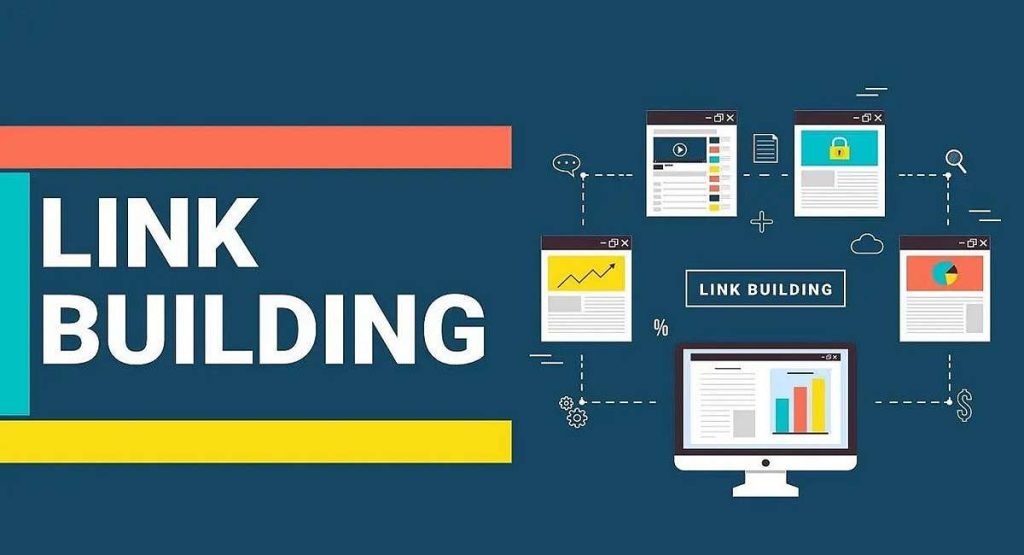
LINK BUILDING FOR DOMAIN REGISTRARS: TOP 5 PROVEN TECHNIQUES In the going competitive era, domain registrar companies face a growing challenge, how to stand out in search results and attract high-quality traffic. That’s where link building becomes a game-changer. It’s not just about collecting backlinks; it’s about building authority, trust, and visibility. In this article, we’ll take you to the top 5 essential link building techniques for domain registrars, showing you how to earn strong backlinks, boost rankings, and drive consistent referral traffic. For customized link-building strategies tailored to your business, visit Skylineseo.pk, a trusted SEO partner for digital growth. WHY LINK BUILDING MATTERS FOR DOMAIN REGISTRARS Search engines rely heavily on backlinks to assess a website’s credibility. For domain registrar service providers, earning quality backlinks is vital because the industry is highly competitive. With hundreds of companies offering similar services, backlinks serve as digital endorsements that separate leaders from the crowd. KEY REASONS LINK BUILDING IS CRUCIAL: Higher Search Rankings: Quality backlinks help Google recognize your site as a credible authority. Increased Referral Traffic: Backlinks on niche-relevant blogs bring direct, targeted visitors. Brand Authority: Consistent mentions improve recognition and trust among potential customers. Better Conversions: A well-linked site earns confidence, which translates into sales. When done right, link building transforms your domain registration business from just another website into an authority hub. KEY UPDATES AND STATISTICS Quality over quantity:  94% of link builders believe quality is more important than quantity. High-authority, relevant links drive better results than mass, low-quality links.  Competition increase:  The link-building landscape is more saturated, with more marketers and companies investing in it, making it a more difficult but rewarding endeavor.  Link building is a top SEO factor:  Experts rank it as the third most important SEO factor, after content and keywords, demonstrating its continued relevance.  Content is king:  Long-form content (3,000+ words) earns significantly more backlinks than short-form content. Domain registrars should create in-depth guides on domain management, online security, or website building.  AI’s influence:  While AI is changing SEO, backlinks are still seen as vital. 73.2% of experts believe backlinks influence a website’s chance of appearing in AI search results, and 58% believe link building will always be essential.  Diversification is crucial:  Diversifying referring domains is more important than simply having a large number of total backlinks, as it shows a broader range of authority.  Modern strategies:  Old tactics like cold outreach and simple link exchanges are failing. The most effective strategies involve building relationships and creating unique value through content.  TECHNIQUE # 1. GUEST POSTING FOR DOMAIN REGISTRAR INDUSTRY Guest posting remains one of the most effective domain registrar link building techniques in 2025. By contributing high-quality articles to industry-related websites, you not only gain backlinks but also showcase your expertise. HOW TO DO IT RIGHT: Identify relevant platforms: Target web hosting, tech, and digital marketing blogs. Craft valuable content: Focus on informative topics like “How to Choose the Best Domain Registrar” or “Trends in Domain Registration.” Include contextual links: Use natural anchor text such as “domain registrar SEO link building checklist.” PRO TIP: Avoid over-promoting your services. Instead, deliver real value and subtly link back to your own resources or service pages. When done consistently, guest posting can generate authority backlinks for your domain registration business, boost referral traffic, and strengthen brand visibility. 2. DIGITAL PR AND LINK OUTREACH Digital PR combines storytelling with outreach. For domain registrar companies, this means creating newsworthy content that earns backlinks from media outlets, tech websites, and influencers. IDEAS FOR DIGITAL PR CAMPAIGNS: Data-driven reports: Publish insights about global domain trends, TLD statistics, or business adoption rates. Expert opinions: Offer commentary on cybersecurity or domain ownership trends. Case studies: Share success stories of businesses that grew after choosing your registrar service. OUTREACH STRATEGY: Create a compelling story or report. Build a list of journalists, bloggers, and niche influencers. Personalize each email — avoid generic templates. Follow up politely after 3–5 days. When you position your company as an industry expert, media outlets naturally link to your domain, building valuable authority backlinks that boost your entire SEO strategy. 3. STRATEGIC PARTNERSHIP & AUTHORITY BACKLINKS Networking can be as powerful as outreach. Building strategic partnerships with web hosting firms, SaaS providers, or digital marketing agencies can lead to a steady stream of quality backlinks. ACTION STEPS: Co-author resources: Create joint blog posts, webinars, or infographics. Exchange mentions: Feature each other’s brands naturally where relevant. Offer affiliate collaborations: Reward partners who link to and promote your services. Such partnerships not only diversify your domain registrar backlink profile but also drive referral traffic from aligned audiences. For expert support in planning and executing high-impact link partnerships, you can always rely on Skylineseo.pk. Our team specializes in backlink strategies that deliver measurable authority and long-term visibility. 4.CONTENT MARKETING FOR LINK ACQUISITION A solid content marketing strategy acts as a magnet for backlinks. When your content provides unique data, insights, or tools, people naturally want to reference it. EFFECTIVE CONTENT TYPES FOR DOMAIN REGISTRARS: How-to Guides:g., “How Domain Registrars Can Build High-Quality Backlinks.” Checklists:g., “Domain Registrar SEO Link Building Checklist.” Tools & Resources: Domain name generators, cost calculators, or comparison charts. Educational Videos: Tutorials explaining DNS management or SSL setup. Use clear formatting, visuals, and concise language. Share your content on social media and niche forums to increase exposure. When your posts start attracting organic backlinks, they reinforce your authority and help your site rank higher for competitive keywords like “link building for domain registrar service providers.” 5.AUDITING & OPTIMIZING YOUR BACKLINK PROFILE Earning backlinks is just the beginning; maintaining them is equally important. Regularly auditing your domain registrar backlink profile ensures that all links remain relevant, active, and beneficial. CHECKLIST FOR A BACKLINK PROFILE AUDIT: Identify and remove spammy or low-quality links. Analyze referring domains for authority and topical relevance. Track lost links and attempt to reclaim them. Use tools like Ahrefs, Moz, or SEMrush for comprehensive reports. A healthy backlink profile strengthens your site’s reputation, minimizes penalties, and helps you focus efforts on

SEO

WHAT IS CONTENT PRUNING AND HOW TO DO IT IN USA

WHAT IS CONTENT PRUNING AND HOW TO DO IT IN USA Every website builds up pages over time. Some do great, others dim. In this guide, you will learn what content pruning is and how to do it in the USA. Skylineseo.pk will also take you through the content pruning process step by step, showing when to merge outdated blog posts vs. delete them without hurting your SEO, followed by a site cleanup and a boost in organic traffic. 1. PHILOSOPHY OF CONTENT PRUNING AND WHY DOES IT MATTERS  In short, content pruning is the act of reviewing existing pages, then choosing to remove, update, or merge content that underperforms or is outdated. The goal is to improve overall quality, relevance, and SEO performance. In the USA and globally, sites accumulate many posts, landing pages, and articles over the years. Some still get traffic, some slowly drop off. You can’t keep everything forever. Google rewards fresh, high-quality content. Thus, content pruning in the USA helps you clean, refine, and strengthen your site. When you prune well, you boost SEO. You free up crawl budget, reduce duplicate or thin content, and direct authority to your best pages. This is why many SEO experts talk about content pruning in the USA to boost SEO ranking. You should ask: which pages drag down my site? Which underperforms? Which confuses users? That leads us into the content-pruning process in USA, step by step. 2. CONTENT PRUNING PROCESS STEP BY STEP Here is a clear content pruning process step by step, tailored for sites in the USA or elsewhere: 1. INVENTORY ALL PAGES FOR PRUNING First, list every page, blog post, landing page, etc. Use a tool like Screaming Frog, Ahrefs, or an internal site map. 2. COLLECT METRICS For each page, gather key metrics: traffic (sessions, page views), backlinks, conversions, keywords ranking, bounce rate, and time on page. 3. LABEL EACH PAGE Decide on a tag: keep, update, merge, or delete. 4. REVIEW LOW TRAFFIC OR LOW VALUE PAGES Focus on pages that hardly get traffic, rank low, or have little engagement. Use this to analyze low-traffic pages for pruning methods here. 5. DECIDE THE ACTION FOR PRUNING Update / Refresh: Improve content, add new data, images, and Merge: Combine two or more thin posts into one strong piece. Delete / Remove: If a page has no value and can’t be improved. 6. PLAN REDIRECTS If you delete or merge content, plan how to use 301 redirects afterwards to preserve link equity. 7. IMPLEMENT CHANGES Actually edit, merge, and delete pages. Set up redirects. 8. MONITOR IMPACT OF PRUNING Check traffic, rankings, and site health. Confirm you did not kill rankings. 9. ITERATE CONTENT PRUNING REGULARLY Repeat every 6–12 months. This is your update vs the prune content strategy in the USA in action. By following those steps, you strengthen your site. 3.HOW TO REVIEW, REMOVE, OR REFRESH CONTENT PAGES A key question is how to review, remove, or refresh content pages effectively. Let’s guide you. 3.1 REVIEW CONTENT PAGES Start by filtering pages by traffic, impressions, clicks, and bounce.Sort by lowest performing.Also, filter by age, because older posts often lag behind.Look for poor user metrics or outdated facts. When reviewing, ask: Is the content still relevant? Are the statistics or data old? Does the page rank for any meaningful keyword? Can I merge with a related post? Does it have links pointing to it? 3.2 REMOVE /DELETE PAGES You may decide to delete when: The content is thin and unfixed. It shows zero value or uniqueness. The topic is completely out of scope for your site. When deleting, you must handle redirects (301s) to prevent loss of SEO. 3.3 REFRESH /UPDATE CONTENT You can choose to update if: The concept is still relevant but outdated. You can add fresh data, images, or polish the writing. The page already has some traffic or backlinks. Refreshing is safer than deleting if the page has some equity. Thus, your decision among these three paths (review, remove, refresh) guides the execution of your content pruning. 4. MEREGE OUTDATED BLOG POSTS VS DELETE THEM Often, you have multiple similar posts hitting low performance. Here’s the choice: merge outdated blog posts or delete them. If two or more posts cover overlapping topics and perform poorly, merging them is often superior. Why? You combine link equity. You avoid competing with yourself for similar keywords. You create one stronger, more comprehensive page. If you delete both, you lose any residual link value or historical ranking. Thus, when you have overlapping content, prefer merging over deletion, unless both are entirely worthless. However, if the individual posts are too weak and lack value, deletion might make sense. Use the metrics you gathered to guide you. When you merge, set up 301 redirects from the old pages to the new unified page. This ensures minimal SEO loss and helps search engines understand your consolidation. 5. HOW TO ANALYZE LOW TRAFFIC PAGES FOR PRUNING A significant component is how to analyse low-traffic pages for pruning. Here is a process: Sort by sessions or page views (lowest first). Check impressions vs CTR in Google Search Console. See if the page ranks in the top 50. Check bounce rate and time on page. Check internal and external links pointing to the page. Look at whether the content duplicates or overlaps with others. Evaluate whether the topic is still relevant to your audience. If many signals are negative, mark the page for pruning (update, merge, or delete). One tip: if a low-traffic page has a few solid backlinks or ranking keywords, you should update it rather than delete it. 6. HOW TO USE 301 REDIRECTS AFTER CONTENT DELETION When you remove or merge content, you must know how to use 301 redirects after content deletion. These steps help: Identify the most relevant replacement page (often the merged or updated version). Set up a 301 permanent redirect from the old URL(s) to the new one. Update internal links on your site to point to the new page. Remove or update

SEO

WHAT IS SEO OUTREACH AND HOW TO START IT IN USA?

WHAT IS SEO OUTREACH AND HOW TO START IT IN USA? Are you searching “what is SEO Outreach and how to start doing it right in the USA”? This complete guide explains SEO outreach in simple terms. You’ll discover how it works, why it matters, and how to apply it effectively in the United States. Whether you manage a SaaS company, a digital agency, or a software website, this article provides practical steps, tools, and proven strategies for 2025 and beyond. Today, SEO outreach plays a crucial role in online visibility. Many businesses often ask, “What is SEO Outreach, and how can I start doing it right in the USA?” In short, SEO outreach means:• Reaching out to relevant websites.• Offering genuine value.• Building strong relationships.• Earning quality backlinks.• Improving search rankings.• Increasing organic traffic and credibility. In this article, you’ll understand what SEO outreach is and how to start implementing it effectively in the USA. You’ll also find trusted services such as white-hat SEO outreach for SaaS companies, manual blogger outreach link-building agencies, country-specific link-building services, guest post outreach for software websites, contextual backlink outreach for 2025, affordable link insertions, and white-label link-building packages for agencies. Finally, you’ll explore actionable steps and best practices to succeed. SEO OUTREACH EXPLAINED? SEO outreach is the process of connecting with other website owners to gain quality backlinks and build relationships.• You reach out to relevant websites.• You offer valuable content.• You establish credibility and trust.• You aim for high-quality links that help search engines value your site.As a result, your website gains more organic traffic, leads, and sales. Importantly, SEO outreach is not spam or link buying. Instead, it focuses on real value, authentic content, and long-term partnerships. In the USA, following Google’s rules and respecting local culture are essential. When you understand these aspects, you truly know what SEO Outreach is and how to start doing it right in the USA. WHY SEO OUTREACH MATTERS? To begin with, backlinks signal trust to Google. When many trusted sites link to you, Google views your website as reliable. Consequently, your pages rank higher in search results. Moreover, SEO outreach delivers referral traffic — visitors arrive through links on other websites. Furthermore, the partnerships you build enhance brand authority, exposure, and media visibility. For SaaS companies, focus on software and tech websites and blogs. By using white hat SEO outreach services for SaaS companies, you secure strong, penalty-free links. Therefore, quality should always matter more than quantity. KEY TERMS YOU SHOULD KNOW IN SEO OUTREACH Backlink: A link from another site to yours.· Anchor text: The clickable words.· Guest post: Content written for another website.· Contextual link: A link placed naturally within content.· White hat: Ethical SEO methods.· Outreach agency: A firm that helps with link building. Manual blogger outreach link-building agency: Contacts bloggers individually to build relationships.Country-specific link-building services: Focus on links from websites in a particular country.Guest post outreach service for software websites: Secures guest posts on software-related platforms.Contextual backlink outreach service 2025: Uses modern link placement inside relevant content.Affordable link insertion service: Offers budget-friendly, safe link placement.White-label link-building packages for agencies: packages they can rebrand and resell. COMMON MISTAKES IN SEO OUTREACH Avoid common pitfalls such as:• Sending spam emails.• Choosing low-quality or irrelevant sites.• Buying links that break Google’s guidelines.• Using generic outreach messages.• Ignoring your audience’s needs.• Skipping follow-ups and losing potential opportunities. Instead, focus on relevance, personalization, and consistency to achieve long-term results. HOW TO START DOING SEO OUTREACH RIGHT IN THE USA Here are the steps to start doing effective outreach. 1. SET OUTREACH CLEAR GOALS First, determine what you want to achieve. Do you aim to increase keyword rankings, generate leads, or boost traffic? For SaaS, the goal might be trial sign-ups, while for e-commerce, it could be more sales. Clear goals help you choose the right targets and measure progress. 2. KEYWORD & CONTENT PLANNING FOR OUTREACHING Conduct thorough keyword research and identify terms your audience searches for. Next, create valuable content — such as blog posts, guides, or infographics — that fits your niche. If you use a guest post outreach service for software websites, ensure your content aligns with software-related topics. Also, make sure your writing is helpful, well-edited, and optimized for search. 3. FIND OUTREACH RELEVANT SITES & BLOGGERS Build a targeted list of prospects using tools like Ahrefs, Moz, and SEMrush. Search for blogs within your niche, check domain authority, and review traffic levels. Additionally, focus on US-based websites when your market is the USA. If your company serves multiple regions, combine local and international sites, but prioritize local trust first. 4. CHOOSE THE RIGHT OUTREACH SERVICE MODEL Select your approach carefully:• Hire a manual blogger outreach link-building agency for personalized outreach.• Use white hat SEO outreach services for SaaS companies for ethical link building.• Opt for country-specific link-building services to target US sites.• Try guest post outreach services for software websites to gain niche authority.• Consider white label link-building packages if you’re an agency outsourcing work.• Use contextual backlink outreach service 2025 for modern, in-content links.• If needed, explore affordable link insertion services for local, budget-friendly options. 5. CRAFT OUTREACH MESSEGES Write personalized emails and mention something specific about the target website. Compliment genuinely, then propose your content or idea. Offer value, not demands. Use clear, concise language with transition words such as Furthermore, Additionally, However, Moreover, and Therefore to keep the flow natural. 6. FOLLOW UP Many bloggers miss the first email. Therefore, send a polite follow-up after 3–5 days. Keep it short, add a fresh angle, and avoid being pushy. If no reply after two attempts, move on respectfully — never spam. 7. TRACK OUTREACH RESULTS Measure progress by tracking backlinks, referral traffic, and keyword rankings. Use Google Analytics, Google Search Console, and rank-tracking tools. Then, compare your outcomes with initial goals and adjust strategies accordingly. 8. MAINTAIN RELATIONSHIP After earning a link, send a thank-you note and promote the post on your channels. Engage with the blogger’s

SEO

UNDERSTANDING E-E-A-T IN SEO-USA

UNDERSTANDING E-E-A-T IN SEO-USA In the ever-changing world of SEO, it is essential to stay ahead of Google’s algorithm updates to remain competitive. One of the most critical ideas to seize today is E-E-A-T in SEO USA. While you might already know about E-A-T (Expertise, Authoritativeness, Trustworthiness), Google recently added “E” to this abbreviation—Experience. This new addition aims to provide a more comprehensive assessment of content quality and its relevance to users. In this article, we will explain E-E-A-T in SEO-USA, discuss how it affects you, offer actionable advice, and help you rank your website higher. So, let’s get started on this crucial concept! WHAT IS E-E-A-T IN SEO? Before we go any further, let’s start by explaining what E-E-A-T is. E-E-A-T means: Experience: The first-hand knowledge and experience a content creator possesses regarding the subject. Expertise: The level of knowledge and credentials the content writer possesses in their niche. Authoritativeness: Credibility and acceptance that a website or content writer enjoys among their niche. Trustworthiness: How trustworthy, accurate, and truthful the content or website seems. In short, E-E-A-T IN SEO USA is a comprehensive framework Google uses to assess content quality. The metric is most important in industries such as healthcare, finance, and law, where the delivery of accurate, authoritative information takes precedence. THE ROLE OF E-E-A-T IN GOOGLE’S ALGORITHM Google’s algorithms rank content that most fulfils user intent. Google has focused extensively on quality signals to serve users credible, valuable content over the years. E-E-A-T IN SEO USA is an integral part of this process. Google has further developed its algorithm to favour content that meets high E-E-A-T standards. A site with a well-established history of expertise, authority, and trust, for instance, will rank higher for relevant queries than one with second-rate research or content that cheats. E-E-A-T AND SEARCH RANKINGS E-E-A-T factors significantly control search rankings. Although Google does not reveal how it computes these factors in plain terms, it is evident that higher-scoring sites are more likely to rank. For example, within the YMYL (Your Money, Your Life) category, where content directly affects users’ health or finances, E-E-A-T becomes essential for success. A high E-E-A-T rating informs Google that your site is a credible source of information. As a result, your content is more likely to be displayed to users searching for relevant queries. E-E-A-T E IN SEO EXAMPLES: HOW IT WORKS IN ACTION Let’s move on to examine some E-E-A-T examples to see how Google rates content. • EXAMPLE 1: HEALTH WEBSITES Take, for example, a website that provides medical advice. If a doctor or medical expert authors the site, it is most likely to exhibit Experience and Expertise. Moreover, if the site is supported by credible sources, such as established medical centres or closely reviewed research, it becomes more authoritative. Lastly, if the site maintains ethical standards, quotes credible sources, and provides transparent information, it will exhibit Trustworthiness. In this case, the website would score highly in the E-E-A-T evaluation and rank well in search results for relevant health queries. • EXAMPLE 2: FINANCIAL ADVICE WEBSITES If a site provides financial advice but does not quote reliable sources, or if an unqualified writer offers the content, it will tend to have poor E-E-A-T scores. This means that a lack of authoritativeness and trust will likely result in poor rankings for money-related search queries. • EXAMPLE 3: NEWS WEBSITES In the journalism world, E-E-A-T is vital in guaranteeing that the news reported is accurate, well-balanced, and reliable. News sites that constantly refer to sources, follow journalistic codes of ethics, and provide verifiable facts will rank high in E-E-A-T and rank well overall. The examples above illustrate the relevance of E-E-A-T content. Content with the right balance of experience, expertise, authority, and trust will perform better than content without these features. GOOGLE E-E-A-T GUIDELINES Google has published guidelines to inform website owners and content developers about what is required to achieve E-E-A-T standards. Although the actual ranking algorithm remains unpublished, general principles may be concluded from Google’s Search Quality Evaluator Guidelines. Below are some crucial Google E-E-A-T guidelines to keep in mind: • HIGHLIGHT AUTHOR CREDENTIALS: Content developers must expose their qualifications, licenses, and expertise or experience where applicable to make their expertise apparent. • CITE RELIABLE SOURCES: Always support assertions with credible, verifiable sources. • PRIORITIZE USER EXPERIENCE: Your site must deliver a smooth user experience, from page load times to mobile responsiveness. • BE TRANSPARENT: Open privacy policies, terms of service, and disclosure of affiliate links or ads establish trust with users. • REGULARLY UPDATE CONTENT: Up-to-date content demonstrates that your site is regularly updated and that the information presented is current. Adhering to these recommendations can enhance your E-E-A-T score and keep your content higher in Google search results. E-E-A-T IN SEO USA CHECKLIST: HOW TO ENHANCE YOUR SITE’s SCORE Enhancing your site’s E-E-A-T is key to long-term SEO success. Here is a complete E-E-A-T checklist to get you going: 1. EMPHASIZE EXPERTISE Appoint subject-matter experts or experts to develop content. Make sure content is in-depth, well-researched, and accurate. Highlight the credentials and qualifications of your content creators (bio pages, certifications, etc.). 2. INCREASE AUTHORITATIVENESS Get backlinks from high-authority sites in your niche. Form alliances with trusted brands and influencers. Produce content that thoroughly answers user queries and delivers real value.   3. BUILD TRUSTWORTHINESS Provide open information on your business (contact details, privacy policy, terms and conditions). Make sure your content is fact-checked and free from misleading or prejudiced content. Practice ethical marketing and refrain from any misleading strategies. 4. IMPROVE USER EXPERIENCE Keep your site mobile-friendly and load quickly. Utilise an easy-to-use design and provide ease of navigation. Ensure that the content is readable and well-structured. 5. KEEP AN EYE ON YOUR E-E-A-T IN SEO SCORE Keep auditing your content for precision and pertinence. Check your website’s trust signals using tools like Google Search Console. Regularly refresh content to stay up to date with trends and advancements in your field. WHY

HOW TO CONDUCT A SEO AUDIT FOR WEBSITE IN 18 STEPS
SEO

HOW TO CONDUCT A SEO AUDIT FOR WEBSITE

HOW TO CONDUCT A SEO AUDIT FOR WEBSITE IN 18 STEPS. Search engines are responsible for the success of all sites. Your visibility is determined by how well you have optimised your site. If you want your site to be at its best, you need to perform regular audits. This guide teaches HOW TO CONDUCT A SEO AUDIT FOR A WEBSITE IN 18 STEPS. You will also get helpful tips, examples, and templates that make the task simpler. WHAT IS AN SEO AUDIT An SEO audit for a website in 18 steps is a way to verify your site’s health. It detects problems that can damage your ranking. It also identifies areas for improvement. Through audits, you bring your website into compliance with search engine standards. It is like a check-up for your website. Just as you go to the doctor, your website also needs to be checked regularly. These checks keep your site fast, easy to navigate, and on the radar. WHY DOES AN SEO AUDIT MATTER? It makes you aware of technical problems. It enhances website speed. It indicates opportunities for higher rankings. It protects you from penalties due to mistakes. It keeps your content aligned with user intent. If you want to be ahead of the competition,  SEO audits in 18 steps are a must. PERFORMING SEO AUDIT FOR WEBSITE IN 18 STEPS-USA Now let’s walk through the 18 clear steps. These steps will help you develop a robust audit plan. STEP 1: CRAWL YOUR SITE Begin with a complete crawl. Scrape your site using an authentic SEO audit tool. Tools such as Screaming Frog or Ahrefs provide a total view. The crawl reveals broken links, lacking tags, and duplicate pages. STEP 2: TEST WEBSITE SPEED Page speed is essential for both users and search engines. Utilise Google PageSpeed Insights. Optimise slow-loading pages by compressing images and activating caching. STEP 3: TEST MOBILE FRIENDLINESS Most visitors access via mobile. Try your site using Google’s Mobile-Friendly Test. Ensure buttons, images, and text resize neatly on smaller screens. STEP 4: REVIEW URL STRUCTURE Brief, descriptive URLs work better. Steer away from long strings and redundant parameters. Use keywords organically in your URLs. STEP 5: CHECK ON-PAGE SEO Verify title tags, meta descriptions, and headers. Ensure every page contains unique, keyword-rich content. STEP 6: TEST SITE SECURITY Search engines favour HTTPS sites. Make sure your SSL certificate is enabled. Insecure sites lose ranking and trust. STEP 7: CHECK INTERNAL LINKING A good linking structure enhances navigation. It also disperses authority across your website. Examine links and ensure they are suitable. STEP 8: EXAMINE BACKLINKS Backlinks are trust votes. Use tools to verify the quality and quantity of your backlinks. Remove or disclaim spam links. STEP 9: EXAMINE CONTENT QUALITY Content is the soul of SEO. Make sure it’s original, engaging, and informative. Update outdated posts with new data and examples. STEP 10: TEST KEYWORD OPTIMIZATION Keywords must align with search intent. Guide clear of keyword stuffing. Utilise long-tail keywords for more precise targeting. STEP 11: TECHNICAL SEO CHECK Examine XML sitemaps, robots.txt, and structured data. These technical items direct search engines to crawl your site correctly. STEP 12: DUPLICATE CONTENT AUDIT Duplicate pages puzzle search engines. Use an audit tool to identify duplicate or thin content. Rewrite or eliminate such pages. STEP 13: CORE WEB VITALS ANALYSIS Core Web Vitals are included in Google’s ranking signals. They measure load time, interactivity, and layout shifts. Improve to score better. STEP 14: INSPECT SOCIAL SHARING SETUP Social signals indirectly support SEO. Include sharing buttons. Invite people to share your posts on social media. STEP 15: AUDIT LOCAL SEO For US-based companies, local SEO is crucial. Inspect your Google Business Profile. STEP 16: CHECK IMAGES Large images slow sites. Add alt text to images. Use descriptive keywords in file names. STEP 17: EVALUATE USER EXPERIENCE User experience affects bounce rates. Ensure menus are simple. Provide straightforward navigation and engaging layouts. STEP 18: CREATE A REPORT Finally, document your findings. Use an SEO audit template to record issues and solutions. This report guides your improvement actions. DYNAMIC ALGORITHM SEO CHECKLISTS Search engines employ dynamic algorithms. Ranking factors are constantly changing. You have to adjust your strategy frequently. A dynamic algorithm SEO checklist keeps you updated. It comprises technical fixes, content updates, and user experience enhancements. SEO AUDIT CHECKLIST A minimum SEO audit checklist has: Site crawl Speed test Mobile check Security test Backlink review On-page SEO Technical fixes Content quality Keyword strategy User experience This list provides a quick snapshot. But for detailed outcomes, use all 18 steps. SEO AUDIT TEMPLATE An SEO audit template keeps you on track. It has spaces for technical SEO, on-page SEO, and off-page SEO. Templates prevent you from omitting essential steps. Example template areas: Technical audit On-page audit Content audit Backlink audit Reporting SEO Audit Tool Using the correct SEO audit tool saves time. Top choices are: SEMrush Ahrefs Screaming Frog Moz Google Search Console Each tool has something distinct. Select the one that best suits your requirements. BEST PRACTICES FOR SEO AUDITS IN THE USA Conduct audits 3–6 months apart. Prioritise local SEO if you have a USA audience. Monitor competitors for knowledge. Organise your audit reports. Use automation wherever possible. Common Mistakes to Avoid Skipping mobile optimisation. Ignoring duplicate content. Using old SEO audit list items. Forgetting to inspect backlinks. Not updating existing content. Avoiding these errors saves time and effort. UNIQUE FREQUENTLY ASKED QUESTIONS (FAQ) Q1: Should I perform an SEO audit without tools? Basic audits can be done, but tools are time-saving. Tools also give more insight. Q2 What is the simplest SEO audit template? A basic spreadsheet does the trick. Break it up into technical, content, on-page, and off-page categories. Q3: Does Google modify its SEO audit checklist? Yes, Google frequently updates its algorithm. That’s why a dynamic algorithm SEO checklist is necessary. Q4: Can a beginner use the 18 steps? Yes. Everything in this guide is easy to follow and detailed. Beginners

WHAT IS TECHNICAL SEO AND WHY IS IT IMPORTANT
SEO

WHAT IS TECHNICAL SEO AND WHY IS IT IMPORTANT

WHAT IS TECHNICAL SEO AND WHY IS IT IMPORTANT? Visualize going into a library, and the shelves full of books – some stacked, others in piles that are disorganized. You begin searching for a book, but it is almost impossible to find anything amid the mess. This is what happens with search engines when they can’t simply “read” and crawl your website. That’s why we are going to explain to you what technical seo is and why it is essential as a solution to structuring your website in such a way that search engines can easily comprehend, crawl, and index your content. Optimizing the site backend maximizes crawlability and indexability, making it more visible and fast-performing in search results and, in turn, more user-friendly and attractive to both search engines and users. WHY IS IT SO CRITICAL? STAT’s EMHANCING THE IMPORTANCE OF TECHNICAL SEO Technical SEO serves as a foundation for additional SEO tactics, including content marketing and link building. Unless your site is technically solid, fantastic content and powerful backlinks won’t be as effective. SEO matters as search engines are not flawless. If you don’t address their shortcomings, your site will suffer. If a site lacks an effective link structure, search engines won’t crawl and index it effectively, which can lower rankings. AI and machine learning are increasingly shaping search engine algorithms. SEO experts use AI-based tools to create content, conduct keyword analysis, and perform other tasks. Google’s identifiers change frequently, requiring SEO experts to adapt to evolving ranking parameters and strategies. Search interest in the term ‘ChatGPT’ grew last year, reaching as high as 100 index points in June 2024. Research suggests that 65% of organizations achieve better SEO outcomes with AI tools. And. 67% of companies report an improvement in content quality when using AI. Even as the prevalence of AI-driven search increases, Google maintains its share of the search market.  Google currently holds 89.74% market share, with Bing in second place at 4.04%. The same research also shows that 48% of SEO marketers expect Google’s AI overviews to increase future search traffic. 44% of them also say that upcoming algorithm changes and generative AI sites will benefit search.  Research indicates that more than 70% of Google’s traffic comes from mobile devices, and this trend is expected to continue in 2025.  Having videos on your site has helped 88% of marketers create leads. High-quality video content can also increase dwell time and reduce bounce rate, enhancing SEO performance.  More than 63% of web traffic is generated from mobile devices. 64% of SEO marketers view mobile optimization as a worthwhile investment. Voice search is gaining popularity, with 20.5% of the global population using it. Terms such as “how,” “what,” “best,” and “easy” are often employed in voice search 12 PERFORMANCE YARDSTICKS OF TECHNICAL SEO 1-IMPROVING THE WEBSITE CRAWABILITY AND INDEXABILITY Now imagine this: as a search engine spider, you require a straightforward path through the virtual forest of your site. How do you ensure it can reach all pages without encountering roadblocks? The answer lies in optimizing crawlability and indexability. Use an XML sitemap: It’s like a detailed map for search engines, guiding them through your site. Remove obstacles: Prevent crawlers from being blocked by mistakes in your robots.txt file or by invalid links. Make pages simple to reach: Utilize clean, organized URLs that don’t baffle the bots. These changes help search engines crawl your site more easily and index your pages correctly, ultimately boosting your rankings. 2-BEGINNERS TO SEE TECHNICAL SEO CHECKLIST If you’re starting, imagine setting up a cozy corner in your digital space. Here’s a Technical SEO checklist for beginners to make sure everything is in place: Fix crawl errors: Check for issues that prevent bots from accessing essential pages. Make your site mobile-friendly: More users are accessing it on the move—ensure it looks great on all screens. Secure your site: HTTPS is like locking your front door with a secure key. It establishes trust and improves your rankings. By completing these baseline tasks, you’ll create a friendly, well-crafted environment for both search engines and your website visitors. 3-BEST PRACTICES TO MAKE WEBSITE MOBILE FRIENDLY Think of your website as a garden—just like plants need sunlight, your website needs to be responsive to thrive in mobile search. With mobile-first indexing, search engines prioritize the mobile version of your site. If your site isn’t mobile-friendly, it’s like having a wilted flower in your garden. Here are some tips to optimize your website for mobile users: Responsive Design: Ensure your site automatically adjusts to different screen sizes. Fast Loading: Speed is essential—particularly on mobile. Simplified Navigation: Easy, intuitive navigation is imperative. Ensure users can discover what they need in a few taps. 4- WEBSITE SPEED OPTIMIZATGION TECHNIQUES Imagine the suspense that comes with waiting for a website to load, each second being an eternity. Now consider how this impacts your users. Slow page loads are infuriating and result in high bounce rates, the silent killer of SEO rankings. HERE’S WHAT TO DO TO IMPROVE SPEED Image Compression: Reduce image sizes without compromising quality. Minify CSS, JavaScript, and HTML: Removing unnecessary characters speeds up pages load times. Leverage Browser Caching: This loads your website quickly for returning visitors by keeping frequently used content in their browsers. Each of these adjustments is like removing dead leaves from a plant to promote healthier growth. 5- ADDING STRUCTURED DATA FOR IMPROVED SEARCH RESULTS Then picture yourself entering a shop with an orderly display where everything is readily accessible. Schema markup or structured data makes it easier for search engines to “see” your content clearly and categorize it. By implementing structured data, you provide search engines with a better understanding of your content, creating more opportunities to appear in rich results—those attractive results with additional information such as reviews, prices, and ratings. To add structured data, mark up your content using schema.org, like product pages, articles, or reviews. It’s like putting labels on shelves so both search engines and customers can easily find what they’re looking for. 6- REPAIRING BROKEN LINKS AND 404 ERRORS The slamming of the door when you attempt to view a page—this is what the user gets when they encounter a 404 error. Search engines do not like repeatedly hitting roadblocks. To remedy this: Utilize tools such as Google Search Console or Screaming Frog to identify broken links. Redirect broken pages to appropriate alternatives through 301 redirects. Update internal links to point to existing pages; none of them lead to

BENEFITS OF LONGTAIL KEYWORDS IN SEO
SEO

BENEFITS OF LONG TAIL KEYWORDS IN SEO

BENEFITS OF LONG TAIL KEYWORDS IN SEO In the constantly changing world of SEO, long-tail keywords are now an integral part of elevating your website to the top of search engine rankings. But what are the benefits of long-tail keywords, and why are they so effective at sending traffic to your website? This article explores the advantages of using long-tail keywords in SEO and why integrating them into your marketing plan can make a massive difference to your online visibility in 2025. WHAT IS LONG TAIL KEYWORD The benefits of Long-tail keywords are longer, more descriptive search terms that users use in search engines. They typically have three or more words and are less competitive than shorter, general keywords. For example, rather than targeting a general term like “shoes,” a long-tail keyword might be “best running shoes for flat feet.” These more particular terms tend to appeal to a niche population, resulting in more targeted traffic. LONG TAIL KEYWORDS EXAMPLES Here are a few examples of long-tail keywords to help you better understand how they function: Short Tail Keyword: “laptops.”Long Tail Keyword Example: “best laptops for gaming under $1000.”Short Tail Keyword: “dog food.”Long Tail Keyword Example: “organic dog food for puppies with sensitive stomachs.” Observe that long-tail keywords are more specific, targeting a particular need or attribute. This particularity makes them especially relevant to users who are closer to making a decision or purchase. WHY LONG TAIL KEYWORDS ARE ESSENTIAL FOR SEO 1. LONG TAIL KEYWORDS HAVE LESS COMPETITION One significant benefit of long-tail keywords is that they face less competition than short, general keywords. Fewer sites target these niche phrases, making it easier to rank higher in search results. Just how prevalent are long-tail keywords? Amazingly, they account for the vast majority of searches! Approximately 70% of all searches are long-tail, or long-tail searches. By using these keywords, you can tap into a large amount of potential traffic with minimal competition. 2. SEARCHES OF LONG TAIL HAVE HIGH CONVERSION RATES Long-tail Keywords benefit searches, typically indicating the user is closer to conversion or purchase. Such users are more specific about their needs, making them more likely to convert on your site after visiting. For instance, a person searching for “best waterproof camera for hiking in 2025” is more likely to buy sooner than someone searching for “cameras.” This is why long-tail keywords are often associated with higher conversion rates. 3. HOW DO LONG-TAIL KEYWORDS WORK? Long-tail keywords target user intent. They’re more likely to capture the attention of individuals searching for a specific term, which is why they’re valuable for SEO. Targeting these terms allows you to provide content that addresses specific questions or needs, thereby increasing your site’s likelihood of ranking for those searches. Over time, search engines like Google will identify your content as relevant to these niche subjects, improving your position for related keywords. 4.WHAT GOOGLE WANTS: LONG TAIL KEYWORDS Over the past few years, Google’s algorithm has become far more adept at determining user intent. With features such as featured snippets, “People also ask,” and voice search, Google prioritizes long-tail keywords. By optimizing your pages with these exact words, you’re aligning your content with what Google aims to provide its users: far-reaching, targeted content. That eventually boosts your rank potential. 5. LONG TAIL KEYWORDS INCLUDE SHORT TAIL KEY WORDS You might have already realised that long-tail keywords contain short-tail keywords within their composition. Targeting both short and long-tail keywords can help you reach a larger audience while also targeting niche markets. This enables you to develop a comprehensive keyword strategy that improves your overall SEO performance. 6. HEIGHTENED RELEVANCE AND FOCUSED TRAFFIC: This implies that when customers search for these terms, they are highly likely to find what they need on your website.For instance, instead of targeting the general keyword “shoes,” consider “best running shoes for marathon training,” which is far more specific and targeted to a particular demographic.This targeted traffic is more likely to convert into leads or customers because it closely aligns with your website’s content. STAT’S: USING LONG TAIL KEYWORDS SEARCH VOLUME: Long-tail keywords tend to have low specific search volumes, with most receiving 10 or fewer searches per month. But they account for the majority of search queries, with estimates placing the share at 70-92%.So, although each long-tail keyword may not generate a lot of traffic, the sheer volume of them produces a high total search volume. WORD COUNT: With this greater length, search intent is more precise, as users can be more specific in their queries. Individually, long-tail keywords have low search volumes, but collectively they account for the majority of searches. For instance, according to Backlinko’s research, 91.8% of search terms are long-tail keywords, yet they account for only 3.3% of total search volume.In other words, although the individual keywords may not be mass, they generate high traffic. HOW TO OPTIMIZE YOUR PAGES FOR LONG TAIL KEYWORDS To utilize long-tail keywords efficiently in your SEO efforts, follow the following optimization tips: USE LONG TAIL KEY WORDS ORGANICALLY:  Do not use these keywords organically. Ensure they fit naturally into your content. Google prefers natural, helpful content. USE LONG TAIL LEYWORDS IN TITLES AND HEADINGS: Place your long tail keywords in the title of your page, meta description, and your headings. This will inform both users and search engines about your page’s content. MAKE HIGH QUALITY CONTENT: Quality always wins. Write content that provides exact answers your target audience is looking for. Provide in-depth, helpful answers that will keep readers interested and more likely to convert. OPTIMIZE FOR VOICE SEARCH: As voice search continues to grow, users are increasingly likely to ask questions naturally during searches, making long-tail keywords more crucial than ever. Consider how individuals may pose questions verbally and adjust your keyword plan accordingly. PPC COMPAIGNS LONG KEYWORDS Not only are long-tail keyword terms ideal for PPC, but they are also highly cost-effective. With less competition, you’re likely to pay less for clicks than bidding on more general,

GUIDE TO ONPAGE BEST PRACTICES 2025 AND BEYOND
SEO

ON-PAGE SEO BEST PRACTICES | COMPLETE GUIDE

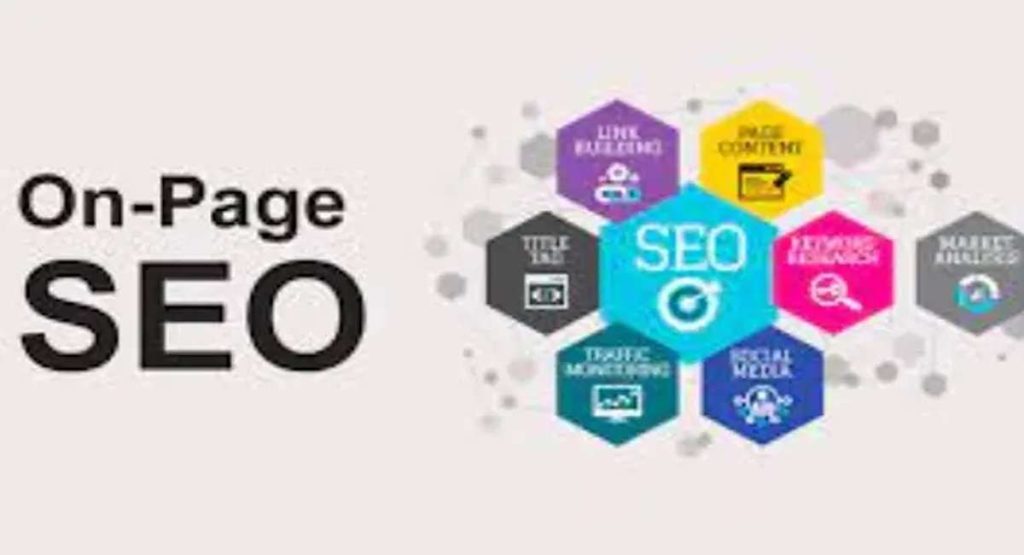
ON PAGE SEO BEST PRACTICES | COMPLETE GUIDE In the ever-evolving world of SEO, staying updated with the on-page seo best practices | complete guide is key to maintaining and improving your website’s ranking. Whether you’re just getting started or you’re a seasoned pro, this guide will walk you through the best on-page SEO techniques for 2025 and beyond. On-page seo best practice refers to all the elements on your website that you can control and optimize. From your content and HTML tags to images and site speed, every aspect plays a role in improving your search engine rankings. Let’s dive into the SEO optimization strategies for 2025, along with SEO tips that can help you boost your site’s visibility. COMPLETE GUIDE: ON PAGE SEO BEST PRACTICES When optimizing your website for 2025, it’s crucial to stay ahead of the curve. Below, we’ve outlined 10 effective on-page techniques and best practices to improve your website’s performance. 1. CREATE HIGH-QUALITY, RELEVANT CONTENT The foundation of great on-page SEO starts with your content. Google is continually improving its understanding of search intent. Make sure your content is helpful and informative, and that it answers your audience’s search queries. Keep it fresh and relevant by regularly updating outdated content. SEO TIP: Use the SEO guide to structure your content around your target audience’s questions. 2. USE CLEAR AND ENGAGING HEADINGS Headings not only break up your content but also help search engines better understand it. Use H1, H2, and H3 tags strategically to mark the main topics and subtopics. SEO TIP: Include your primary keyword in your headings to ensure it’s clear what the page is about. 3. OPTIMIZE TITLE TAGS AND META DESCRIPTIONS Your title tag is one of the most essential on-page SEO elements. Please keep it to 60 characters and make it compelling for your audience. Similarly, meta descriptions should be 150-160 characters long and include your secondary keywords. SEO TIP: Use action words in your meta descriptions like “Learn” or “Discover” to encourage clicks. 4. IMPROVE PAGE LOAD SPEED A fast-loading page is crucial for both user experience and search engine rankings. Google uses page speed as a ranking factor, so make sure your website is optimized for speed. HOW TO OPTIMIZE ON-PAGE SEO: Compress images, enable browser caching, and reduce unnecessary scripts. Tools like Google PageSpeed Insights can help you check and improve speed. 5. USE PROPER IMAGE OPTIMIZATION Images should be optimized appropriately to enhance your site’s speed and user experience. Always add alt text to describe images, and ensure file sizes are as small as possible without sacrificing quality. 6. MOBILE OPTIMIZATION IS A MUST IN ON PAGE SEO With mobile-first indexing becoming the standard, your website must be fully responsive. Ensure that your content is readable and that images and buttons are appropriately sized for mobile users. SEO TIP: Use a responsive design to ensure your site adapts to any screen size. 7. INTERNAL LINKING STRATEGY OF ON PAGE SEO An effective internal linking strategy is vital for distributing link equity across your website. Linking to relevant articles on your site helps both users and search engines discover more of your content. SEO TIP: Include anchor text that includes your target keywords while linking to related content within your website. 8. LEVERAGE STRUCTURED DATA (SCHEMA MARKUP) Structured data helps search engines better understand your content. It’s a great way to enhance your SEO optimization strategy and improve your chances of earning rich snippets. SEO TIP: Implement schema markup for key content like articles, products, reviews, and events to boost your visibility in the search results. 9. OPTIMIZE URL STRUCTURE URLs should be short, descriptive, and include your primary keywords. A clean URL structure makes it easier for both users and search engines to understand what the page is about. 10. USE HIGH-QUALITY BACKLINKS FOR ON PAGE SEO Backlinks remain one of the strongest ranking factors in SEO. Quality over quantity is important—aim for authoritative backlinks that add value to your content. ON PAGE SEO VS OFF PAGE SEO: COMPARISONS Both are important, but they complement each other. On-page SEO informs Google what your website is about and whether it’s relevant. Off-page SEO helps Google assess your website’s reputation. On-page SEO is like building a solid foundation for your website, while off-page SEO is like marketing it to the world. On-page SEO focuses on optimizing your website’s content, structure, and on-page experience. Off-page SEO focuses on establishing credibility and driving traffic from external sources. You need both to enhance your rankings and attract more people to your site. So, don’t overlook either—work on both for maximum effect! KEY TAKEAWAYS To succeed with on-page SEO in 2025, focus on creating high-quality content, optimizing your site speed, and improving mobile responsiveness. Always use the correct SEO strategies, and don’t forget to update your content regularly to keep it relevant. Following this on-page SEO checklist for beginners can set you up for long-term success. HOW TO IMPROVE ON-PAGE SEO RANKING IN-2025 The key to improving your on-page SEO rankings is to consistently follow best practices, monitor performance, and adapt to the changing SEO landscape. Stay ahead of the competition by staying up to date with Google’s algorithm updates and ensuring your content remains helpful and valuable to your audience. FREQUENTLY ASKED QUESTIONS (FAQs) Q1: What is the best SEO strategy for 2025? A1: The best strategy is to stay current with SEO trends, optimize for mobile-first indexing, improve site speed, and build high-quality backlinks. Q2: Can I optimize my site for SEO if I’m a beginner? A2: Yes, with the right on-page SEO checklist for beginners, you can easily start optimizing your website by focusing on simple strategies like content quality, title tags, and meta descriptions. CONCLUSION On-page SEO focuses on optimizing your website’s content, structure, and performance. Off-Page SEO focuses on building credibility and driving traffic from external sources. Both are needed to improve your rankings and drive more visitors to your site. So, don’t ignore either—work

HOW TO IMPROVE YOUR WEBSITE WITH CORE WEB VITALS
SEO

IMPROVE YOUR WEBSITE WITH CORE WEB VITALS | GUIDE

IMPROVE YOUR WEBSITE WITH CORE WEB VITALS | GUIDE Ever curious about how Google decides if your site is high quality or not? Core Web Vitals play a key role in their consideration. But what are they, exactly? And why are they essential for your site’s performance? In this blog, we’ll make it easier for you to understand “How to improve your website with Core Web Vitals” and how you can optimize them to enhance the user experience and SEO of your website. WHAT ARE CORE WEB VITALS? Core Web Vitals is a group of metrics that quantify the actual user experience of your site. They’re concerned with how quickly your site loads, how smoothly the page loads, and how quickly it responds to user input. The three primary metrics are: LCP (LARGEST CONTENT-FULL PAINT): This measures how long it takes for the most significant visible element on your page (e.g., an image or a block of text) to load. CLS (CUMULATIVE LAYOUT SHIFT): This measures the extent to which the page layout shifts during loading. A high CLS can be annoying for users because it causes elements to move unexpectedly. INP (INTERACTION TO NEXT PAINT): This is the time it takes for a user interaction (such as a click) to be updated on the screen. All of these metrics are important because they have an immediate impact on the user experience, which in turn affects your site’s performance in Google. WHY ARE CORE WEB VITALS IMPORTANT? Simply put, improving your website with Core Web Vitals is essential because they affect how Google ranks your website. Google incorporates these metrics into its total SEO rank factors. A well-performing website with these features has a good chance of ranking higher on Google Search, leading to more traffic and greater visibility. Additionally, Google intends to deliver the best possible experience to users. A website with fast load times and stable layouts is more likely to retain users, which decreases bounce rates and boosts conversions. KEY UPDATES AND STAT’s 2025 TO ENHANCE THE IMPORTANCE OF CORE WEB VITALS 1. INP REPLACES FID: Interaction to Next Paint (INP) is now the primary metric for measuring interactivity, replacing First Input Delay (FID). INP assesses a website’s responsiveness by measuring the time it takes for a user interaction (e.g., a click or tap) to trigger a visible change on the screen.  2. UPDATED SCORING THRESHHOLDS: Google has refined the scoring thresholds for these metrics to provide a more accurate assessment of user experience.  3. MOBILE FIRST FOCUS: Mobile-first browsing is now the norm, and Core Web Vitals scores for mobile devices carry more weight in Google’s search rankings.  4. AI-DRIVEN INSIGHTS: We can expect to see more AI-driven performance insights and even automated fixes through tools like Google’s PageSpeed AI.  5. ENHANCED TOOLS: Tools such as Chrome UX Report (CrUX), PageSpeed Insights, and the Web Vitals Chrome Extension remain crucial for monitoring and improving Core Web Vitals.  MONITORING THEREOF TO STAY ON TOP OF PERFORMANCE Tracking your Core Web Vitals is the most crucial step to maintaining your site in optimal condition. With tools like Real User Monitoring (RUM), you can understand what your users are experiencing on your site. You can use tools like mPulse to measure and monitor your site and receive fine-grained, real-time feedback on its performance. MEASURING CORE WEB VITALS WITH mPulse If you want a more detailed analysis of your website performance, you can use tools such as mPulse. mPulse will enable you to monitor performance by device and user group, providing a complete view of LCP, CLS, and INP. With mPulse, you can easily identify where users are experiencing slow load times or layout shifts, giving you clear areas to optimise. BEST PRACTICES FOR CORE WEB VITALS AND USER EXPERIENCE Enhancing Core Web Vitals is not as complex as you might think. Optimise Largest Contentful Paint (LCP) with a CDN: LCP optimisation is one of the simplest methods, achieved by leveraging a Content Delivery Network CDN). A CDN accelerates content delivery by caching your website across servers worldwide, enabling users to view your content quickly, regardless of their location. MIINIMISE CUMULATIVE LAYOUT SHIFT (CLS) ON MOBILE: Mobiles are particularly susceptible to layout shift. To prevent this, ensure you use fixed-width images and ads and asynchronously load web fonts. This will ensure that elements do not move around, thereby preventing a poor user experience. INTERACTION TO NEXT PAINT(INP) OPTIMIZATION EXPLAINED: Optimise JavaScript execution, reduce long-running tasks, and shorten the time it takes the browser to compute user input. EARLY HINTS HTTP 103 PRELOADING STRATEGY: This HTTP 103 preloading strategy accelerates page load by instructing the browser to begin loading specific resources ahead of the main page load. HOW TO IMPROVE CORE WEB VITALS? This is the initial list of recommendations: Ensure the LCP resource is discoverable in the HTML source and is prioritised. Set explicit sizes on any content loaded from the page. Ensure pages are eligible for….. Avoid or break up long tasks. Avoid unnecessary JavaScript CORE WEB VITALS HAVE SPECIFIC THRESHHOLDS FOR A GOOD USER EXPERIENCE:   LCP should be within 2.5 seconds; between 2.5 and 4.0 seconds requires improvement; over 4.0 seconds is poor. CLS should be less than 0.1; between 0.1 and 0.25 needs improvement, and above 0.25 is poor. To provide a good user experience, aim for a CLS score below 0.1. Cumulative Layout Shift (CLS) measures visual stability. To provide a good user experience, strive to keep INP below 200 milliseconds. The First Input Delay(FID) metric also helps measure your users’ first impression of your site’s interactivity and responsiveness. HOW CORE WEB VITALS AFFECT SEO RANKING FACTORS Google’s focus on such metrics makes them part of the SEO ranking factors. Sites that fail will likely rank lower, whereas sites that comply with Google’s performance criteria will rank higher. This is why paying attention to improve your website with Core Web Vitals can significantly impact your search engine visibility. REAL USER MONITORING FOR CORE WEB

TOP SEO EXPERTS IN PAKISTAN
SEO

TOP SEO EXPERTS IN PAKISTAN | PROVEN RESULTS

TOP SEO EXPERTS IN PAKISTAN | PROVEN RESULTS Internet usage in Pakistan is on the rise. Millions of Pakistanis are now online, looking for merchandise, services, and information. Businesses have a huge chance with this digital explosion. Still, just having a website will not do. You should be seen. TOP SEO Experts in Pakistan come here. SKYLINESEO helps your website rank higher in search results for related keywords. If prospective clients search for something related to your company, your homepage should appear at the top of the results. More leads, more sales, and finally more income result from this added exposure. In Pakistan, this is a core feature of digital marketing. WHY SEO EXPERT IS CRUCIAL FOR COMPANIES IN PAKISTAN More than merely a buzzword, SEO is. This is a strategic approach to online triumph. Furious competition is rising as more businesses use technology. This is how important search engine optimization is for Pakistani companies: Improved exposure comes from better search engine rankings. Helps drive natural traffic – SEO attracts would-be customers, free of charge, paid ads. Rising website rankings enhance credibility. SEO optimizes site speed, setup, and material, and helps user experience. More sales and more visitors equal more sales and opportunities for conversion. WHAT IS AN SEO SPECIALIST/EXPERT? A search engine optimization expert knows technical optimization, keyword research, content strategy, and search engine algorithms. Top SEO Experts in Pakistan have the following critical skills: SEO Experts Keyword Research Mastery: Finding low-volume, weak keywords.On-Page Optimization: Improving site content, structure, and meta tags.Link building: Guest posting, and social media optimization—all off-page SEO techniques.Technical SEO: Fixing crawl errors, increasing site speed, and verifying mobile-friendliness.Content Strategy: Developing high-quality, compelling, and SEO-friendly content.Google Analytics and Search Console help track development. QUALITIES TO SEEK TOP SEO EXPERTS IN PAKISTAN Picking the most appropriate SEO specialist is very important. You need a partner who understands the subtleties of the Pakistani market, as the digital marketing landscape is complex. When assessing possible TOP SEO EXPERTS IN PAKISTAN, look for these top characteristics: Check for case studies and references showing their success. SKYLINESEO would present numerous successful projects, helping you demonstrate real outcomes such as increased website visits, better keyword placement, and higher conversion rates. SEO EXPERTS KNOWLEDGE IN DETAIL SEO is a complex area. Top SEO experts from Pakistan have a thorough knowledge of on-page optimisation, off-page optimisation, technical SEO, keyword research, and content marketing. Our professional Team is fully aware of the current industry standards and the most recent algorithm updates. PAKISTANI SEO MARKET KNOWLEDGE The Pakistani market has features all its own. Top are familiar with the local search trends, popular search engines, and cultural nuances that could affect SEO performance. We ensure we grasp the specific opportunities and challenges in the Pakistani digital sector. Transparent and honest openness is necessary. We provide clear, brief explanations of complex technical ideas, are sensitive to your inquiries and issues, and give you regular updates on developments. Ethically, avoid SEO experts who guarantee fast results or engage in black hat SEO practices. In the long term, these strategies might damage your website’s ranking. SKYLINESEO follow ethical SEO techniques and prioritises sustainable development. Top SEO experts in Pakistan offer a range of services, including keyword research, competitive analysis, on-page and off-page optimisation, content marketing, backlink building, and technical SEO audits. Their offerings should be customised to suit both your unique objectives and requirements. SEO Tactics Used: Ensure they adhere to white-hat SEO principles. Regular updates and clear direction are essential. ADVANTAGES OF EMPLOYING TOP SEO EXPERTS IN PAKISTAN’s Many corporations are unsure about spending on SEO due to cost concerns. Nevertheless, many advantages arise from engaging a Top SEO specialist in Pakistan:The primary advantages include these: TRAFFIC Improved search engine ratings result in more organic visits. This suggests more people who could find your website will visit it.Higher search rankings boost your brand visibility and integrity. It tells prospective clients that you are a respected and experienced resource. SEO lets you draw targeted traffic. Emphasise keywords relevant to your company and attract customers who are already looking for your products or services.Compared to other marketing approaches, SEO Experts can be a cost-effective way to reach your target audience. Organic traffic is free; paid advertising is not. SEO IS LONG TERM APPROACH Though it takes time to get results, search engine optimisation offers long-term benefits. TOP SEO EXPERTS IN PAKISTAN concentrate on establishing a viable online presence for your company. SEO is vital for staying ahead of the curve in today’s competitive environment. Investing in SEO enables you to significantly reduce your competitors’ angle. MEASURABLE RESULTS OF SEO EXPERTS SEO results can be easily tracked and measured. You can observe how your search engine optimisation project affects your business and how your site ranks in search results. Cost-Effective Solutions – SEO professionals based in Pakistan provide top-notch services at economical prices. Local Market Knowledge – They are familiar with consumer behaviour and local search patterns. Customised strategy SEO tactics are specifically designed to achieve corporate objectives. With SEO, you maintain development and exposure; this is not the case for paid ads. PARTICIPATING IN SEO TOO AFTEN LEADS MANY COMPANIES TO FAILURE. AVOID THESE PITFALLS FOR BETTER OUTCOMES: Keyword stuffing can result in penalties as the content is overloaded with keywords. Ignoring Mobile Optimisation – A non-mobile-friendly website loses traffic. Bad Link Building Methods – Backlinks spam damages search results. Out-of-date information hurts SEO ranking. Not regarding Analytics – You can’t gauge success without tracking.   LONGTERM SUCCESS – EVERGREEN SEO EXPERTS TECHNIQUES SEO continues forever. SKYLINESEO uses evergreen SEO techniques that deliver long-term benefits to stay ahead in rankings. Quality Writing – Consistently produce valuable, educational, and engaging material. Regularly check and rectify website issues; technical SEO maintenance. Backlink Building – Getting excellent backlinks from top sites.Common Search Engine Optimisation Errors to Stay Away From. SEO EXPERTS IN THE CULTURE OF PAKISTAN: PROBLEMS AND OPTIONS Top SEO Experts in Pakistan offer exciting opportunities and unique challenges, as they

Scroll to Top