
Current Social Media Trends | A 2026 Guide for Brands
Social media never sits still. What looked cutting edge last year can feel dated within months. For that reason, tracking current social media trends is not only about staying up to date. It is about spotting a shift early, acting on it, and keeping a brand visible while competitors catch up.
This guide walks through the forces reshaping the space this year, alongside the social media marketing trends that matter most for 2026. It covers how artificial intelligence is changing what users expect, and why smaller niche communities keep pulling attention away from the giants. The pages ahead also explain why social search is starting to rival Google for certain audiences. They cover why even the short form video format itself keeps changing shape. By the end, the goal is a clear set of moves any brand can make now.
Table of Contents
- Real Numbers Behind Current Social Media Trends
- The Rise of Niche Social Media Communities
- Social Platforms Are Becoming Discovery Engines
- How AI Is Reshaping Current Social Media Trends
- Is Google Social Search Overtaking Traditional Search
- Social Commerce Keeps Expanding
- Short Form Video Keeps Evolving
- Frequently Asked Questions
- More Questions About Current Social Media Trends
- Take the Next Step
1. Real Numbers Behind Current Social Media Trends
Instead of guessing at where attention is heading, it helps to run a proper social media trends analysis rather than trust instinct alone. Current social media trends point in one clear direction, and verified research backs that up. According to the Social Trends 2026 report from Hootsuite, built from a survey of more than 6,500 marketers, 79 percent of social media managers now use AI tools every day. That figure alone shows how far AI adoption has moved past the experimental stage and into daily practice for most teams. The same research names social platforms turning into search engines as one of the defining shifts of the year. It also points to a move away from steady, predictable trend cycles toward short bursts of niche, sometimes contradictory content.
Consumer research points in the same direction. According to Sprout Social’s mid 2025 survey, close to one in three consumers now start a search on a social app rather than Google. That figure climbs to 41 percent among Gen Z users specifically. More than 60 percent of product discovery now happens on social platforms rather than in a traditional search bar. Statista, meanwhile, counted 1.63 billion people worldwide buying something directly through a social app in 2026.
Together, these figures point to one plain conclusion: content built only for a traditional search engine leaves real opportunity on the table. A brand relying solely on Google rankings in 2026 is competing for a shrinking share of a much larger conversation.
2. The Rise of Niche Social Media Communities
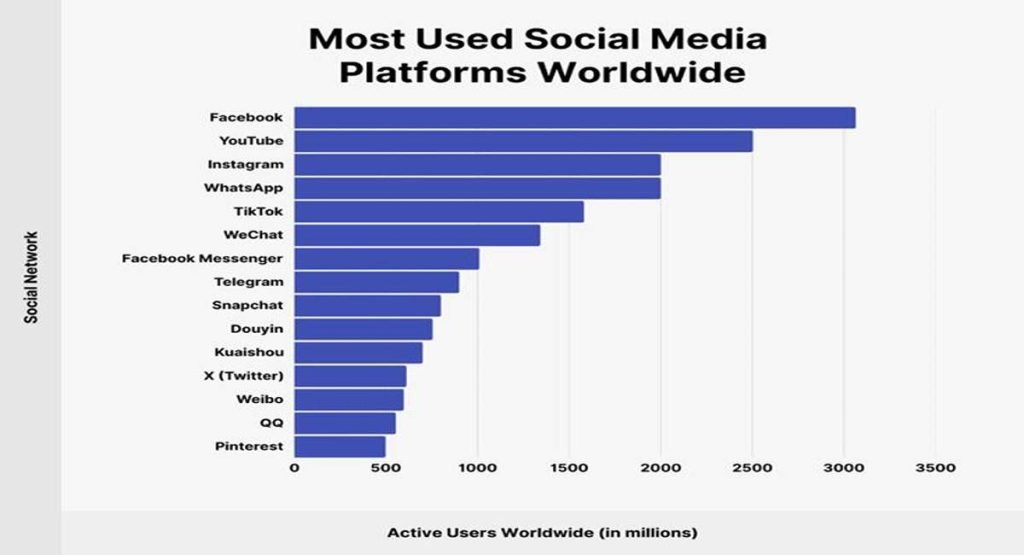
Before looking at smaller communities, it helps to ask a basic question. What are social media platforms actually built for in 2026? For most users, the answer no longer starts and ends with staying in touch with friends. The era of a handful of giant platforms holding all the attention looks to be fading. Smaller, tightly focused communities are pulling users away from the main feed.
What Counts as a Niche Social Platform
A niche social platform is a space built around one specific interest, hobby, or group, rather than a general audience. Unlike Facebook or Instagram, these spaces serve a narrow crowd that already shares a passion. Picture a community built only for a certain gaming genre, a specific art form, or one particular profession. Because the audience is so focused, conversations there tend to run deeper and feel more relevant than on a broad platform. A member of one of these spaces is often more willing to engage with a brand, too. This happens simply because the brand clearly understands the specific interest that brought everyone together in the first place.
Why Smaller Communities Keep Gaining Ground
Several forces explain this pull. First, many users feel worn out by the sheer noise on large platforms, so they look for spaces built around people who share their exact interest. Second, a focused platform can build features suited to that one community, which a general platform rarely bothers to build. Third, plenty of users now want a quieter, less performative space, away from the pressure of a huge public audience. A smaller community also tends to move faster when something goes wrong. Its tightly knit group of members and moderators can spot and fix a problem long before a platform the size of Facebook even notices it. Put simply, people are choosing genuine connection over broadcasting to everyone.
Finding the Right Niche for Your Brand
Picking the right niche platform for a brand takes real research, not guesswork. Start by mapping out where the target audience already gathers to discuss their interests. Then look for a platform that matches the brand’s values, not just its products. Spend time simply observing before posting: read the conversations, note the active voices, and learn the unwritten rules of that community. In some cases, the smarter move is not joining an existing space at all, but building a dedicated one from scratch. That path takes more effort, yet it hands a brand far more control over the conversation. A brand that skips this research stage often ends up posting content that feels out of place, which a tight community notices quickly.
Platforms Worth Watching in 2026
Several focused platforms keep growing at pace. Letterboxd, for example, serves film fans who want to log, rate, and discuss movies with people who share their taste. Strava links athletes who track and compare their training. Discord, while broad on the surface, hosts thousands of tightly run servers built around single games, creators, or academic subjects. Reddit works the same way, since its many subreddits each function as a niche community of their own. Newer, smaller networks built around unfiltered, less polished sharing have also found an audience among users tired of a heavily curated feed. Expect even more platforms like these to appear through 2026, each built for depth rather than sheer size.
3. Social Platforms Are Becoming Discovery Engines
Social media has moved well past simple connection between friends. It now works as a genuine engine for discovery.
Users used to open these apps mainly to catch up with people they already knew. Today, they open them to find something new: a product, an idea, a creator, or an answer to a question. Because of this shift, a brand’s content strategy needs to prioritize being found, not just being liked.
Visual search plays a growing part in this shift. A shopper can photograph an item in the real world and instantly see where to buy something similar. AI matching built directly into the app often makes this possible. This shortens the path from a passing idea to an actual purchase, so shoppable, high quality visuals matter more than ever.
Recommendation engines have grown sharper too. AI models study what a person watches, follows, and buys, then serve content built around those exact patterns. For a brand, this means content built for one broad audience performs worse than content built for a specific segment the algorithm already understands well.
The way people encounter this content has also changed at a structural level. Instead of a user actively digging through a topic on their own, platforms now tend to repeat a theme gradually across several different creators. The exposure builds slowly until it feels unavoidable, arriving passively rather than being actively sought out. Because of this, a large follower count matters less than it used to. Understanding what an audience actually pauses on, rewatches, or saves matters a great deal more.
4. How AI Is Reshaping Current Social Media Trends
How is AI used in social media beyond simple automation? Artificial intelligence, especially generative AI, now sits at the center of current social media trends, and its influence reaches far past a single automated task. A wide range of AI social media tools now handle everything from caption drafting to full campaign planning. Four areas show this most clearly: personalization, content creation, accessibility, and the growing demand for transparency.

AI-Powered Personalization and Curation
Personalized feeds are now the baseline expectation, not a bonus feature. Users want a feed shaped tightly around their own interests and recent behavior. AI systems are what make that level of tailoring possible at scale. This same technology also helps people discover new content that fits their taste before they even think to search for it. A feed that feels random or generic now reads as outdated, since users have already grown used to something sharper.
The Rise of AI-Generated Content
Generative AI social media content keeps expanding too, from written captions to full visuals and short video clips. Brands and independent creators alike are testing AI social media tools for everything from quick captions to entire campaign concepts. As this content becomes more common, audiences grow more particular about authenticity. A brand cannot lean on AI output alone without losing trust along the way. Balancing the speed AI offers against a real, human voice will likely define which brands win attention in 2026.
Better Accessibility Through AI
AI also improves access to social platforms for more people. Automatic captions, smart replies, and instant translation all lower the barrier between a brand and a wider audience. AI powered moderation, meanwhile, filters out harmful content before most users ever see it. Features such as generated image descriptions for visually impaired users are becoming a normal part of a platform, rather than an optional add-on. This steady push toward accessibility raises the baseline for every brand posting on these platforms.
Data Privacy and AI Ethics in 2026
None of this comes without scrutiny. Users increasingly expect platforms to explain how AI handles their data, and how a platform limits AI driven misinformation. That pressure for transparency will only grow stronger as the technology becomes more embedded in daily use. Brands that stay upfront about where and how they use AI tend to keep more trust than those that stay quiet about it.
5. Is Google Social Search Overtaking Traditional Search
For a specific and fast growing slice of users, yes, social platforms are pulling real search volume away from Google. Some marketers simply call this google social search or google social media search. Both phrases describe the same shift: people skipping Google’s own search bar in favor of a social app.
Why Younger Users Search Differently
Gen Z and younger millennials increasingly open TikTok, Instagram, or YouTube first when they need a recommendation, a how to guide, or a review. Typing a query into a search bar has become the second choice, not the first. This habit comes from a clear preference for short, visual, and peer tested content over a page of text links. A ten second clip showing a product in use often answers a question faster than an entire article could.
Visual Search Takes Over
Visual search reinforces this shift further. When someone wants outfit inspiration, a room design idea, or a new recipe, a photo or short clip answers the question faster than written text. Brands that invest in searchable, high quality visual content stand to gain the most from this behavior. A strong image now does work that a paragraph of copy used to carry alone.
Community Trust and Social Proof
Community trust plays a large role too. A user searching for a product on social media is not just after basic facts; they want an honest review from someone they already trust. That kind of social proof often carries more weight than a polished advert or a brand’s own website copy. This makes user generated content one of the strongest assets a brand can build. A single genuine comment from a real customer can outperform an entire paid campaign.
What This Means for SEO Strategy
This shift also changes what search optimization means in practice. Traditional SEO still matters, yet brands now also need to think about hashtags, video descriptions, and short form content built to answer a specific question. Discovery now happens across search engines and social feeds at once. Keywords still count, but the format of the content also matters, whether it is a short clip, a carousel, or a written post. A brand that puts real effort into lead generation services for Pakistani businesses already understands this pattern. Attention earned on social media only pays off once it turns into a genuine inquiry a sales team can follow up on.
6. Social Commerce Keeps Expanding
What is social commerce, in plain terms? It means buying a product without ever leaving a social app, whether through an in-app shop, a tagged post, or a live sale. Buying without leaving the app has become routine rather than a novelty. Statista counted 1.63 billion people worldwide making a purchase directly through a social platform in 2026. Common examples of social commerce include an in-app shop tab, a shoppable tagged post, and a live selling stream. All three let a shopper complete checkout without opening a browser. For a brand, this means a product page is no longer the only place a sale can happen. A well tagged post or a short video can close the purchase before a shopper ever leaves the platform. Treating social profiles as a genuine sales channel, not just a promotional one, is quickly becoming standard practice rather than an experiment.
7. Short Form Video Keeps Evolving
Short form video social media content still dominates attention across every major platform, yet the format itself keeps changing shape. Hootsuite’s 2026 research points to a growing shift toward episodic, narrative driven content. A single short clip now often becomes part of a larger story told across several posts, rather than a stand alone moment. Some brands have started layering a short series of connected clips into something closer to a mini drama. This approach targets audiences who want more depth than a single fifteen second video usually offers. The lesson here is not to abandon short form video entirely. Instead, think past the isolated clip, and build a small story arc that gives a viewer a reason to come back for the next post.
8. Frequently Asked Questions
Q1. What is trending on social media right now, heading into 2026?
AI driven personalization, niche communities, social commerce, and short form video are the four trends carrying the most weight. Together, they explain most of the shift in where attention and spend are heading this year.
Q2. What matters most among current social media trends?
Two forces stand out above the rest: AI driven personalization and the pull of niche communities. Together, they are reshaping how people discover brands and content.
Q3. How can a small business compete on social media in 2026?
A small business can win by focusing on the niche communities where its exact audience already spends time. This beats competing head on with larger brands across broad platforms. Genuine engagement and real customer content tend to outperform a big production budget.
Q4. Is it worth joining a new niche platform early?
Yes, provided the research supports it. Confirm the target audience is genuinely active there first, then show up as a real, useful member of that community rather than just another advertiser.
9. More Questions About Current Social Media Trends
Q. Does social commerce work for a small, local brand too?
Yes. In-app shopping features do not require a huge catalog or a big budget to work well. A handful of well tagged products and a few honest customer clips can perform strongly, especially inside a niche community that already trusts the brand.
Q. How will AI change day to day content creation?
AI will keep speeding up idea generation, caption drafting, and basic editing. Even so, human judgment, a clear strategy, and a consistent, authentic voice will remain what actually earns attention.
Q. What is the best way to prepare for social search?
Invest in high quality visual content. Use hashtags and descriptions that match what people actually search for, and encourage genuine reviews. That combination gives a brand the best shot at being found inside a social feed.
10. Take the Next Step
Current social media trends reward brands that move early rather than those that wait for certainty. The platforms, the audiences, and the technology are all shifting at once, and standing still is its own kind of risk. Waiting for a trend to fully prove itself usually means arriving after the audience has already moved on to the next one.
At Skyline SEO, we help brands turn these shifts into an actual content and search strategy, built around real data rather than guesswork. If comparing options first sounds useful, our overview of digital marketing agencies operating across Pakistan is a good place to start. For more reading like this, visit the Skyline SEO blog. Otherwise, get in touch with our team today and let us build a plan around where your audience is actually spending their time.